

Son Tra Peninsula – A Precious Natural Gem
Son Tra Peninsula – the “green lung” that nature has bestowed upon Da Nang tourism. With its pristine beauty, clear blue beaches, picturesque scenery, and year-round cool climate, visitors will be overwhelmed by the natural beauty that is rarely found anywhere else like Da Nang.
1. Introduction to Son Tra Peninsula
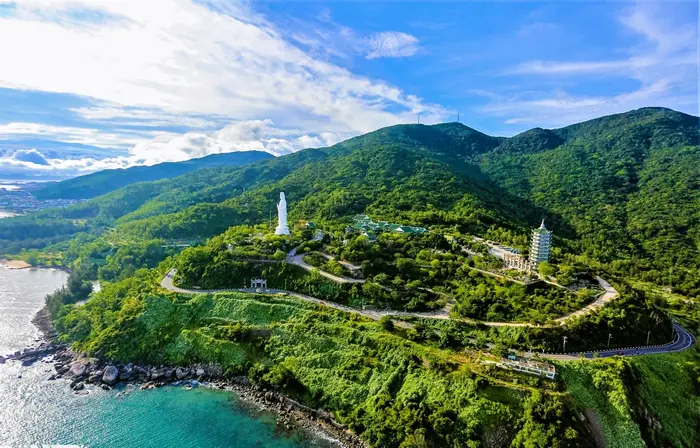
Son Tra Peninsula is located in Tho Quang Ward, Son Tra District, Da Nang City, about 10km northeast of the city center. Along with the majestic mountains of Hai Van Pass, Son Tra Peninsula acts as a natural screen, protecting the entire city of Da Nang and Da Nang Bay, stretching 13km and covering an area of 4,400 hectares. With three sides bordered by the sea and the other side bordering the city, Son Tra is a unique combination of natural forest and sea ecosystem in Vietnam.
Visiting Son Tra Peninsula, you will enjoy the pristine beauty of the ancient forest with many rare animals, the charming long coastline with beautiful sandy beaches, and the colorful coral reefs hidden beneath the ocean. All of this creates a picturesque natural landscape that captivates the heart. When you come here, you can experience all the fun and exciting activities available, go sightseeing, stroll along the fine white sand beaches, and admire the panoramic view of Da Nang from every angle.
2. How to get to Son Tra Peninsula
Son Tra Peninsula is about 20km from the center of Da Nang city by road, so you can get there by various means of transportation such as renting a motorbike, renting a car, or taking a taxi. The average journey takes about 20-30 minutes depending on the mode of transport and route you choose. However, if starting from the city center, you can cross the Dragon Bridge, Han River Bridge, or Tran Thi Ly Bridge to the coast and then travel along Vo Nguyen Giap road towards the northeast, or head towards Vinpearl Condotel Riverfront Da Nang and then along National Highway AH17.

3. The Best Time to Visit Son Tra Peninsula
If you choose Son Tra Peninsula as your destination for your Da Nang trip, the best time to visit is from late spring to autumn, which is from March to September. This is the ideal time to visit Son Tra because the weather in Da Nang is extremely beautiful during this period, with little rain and not much fog hindering your visibility. In addition, this is the time when unexpected natural phenomena such as storms and floods are less likely to occur.
4. What to See and Do on Son Tra Peninsula
Considered a “precious gem” of Da Nang tourism, Son Tra Peninsula is a place that combines all the elements for tourists to visit, relax, have fun, and explore the fascinating and slightly adventurous beauty of the pristine mountains and forests. Below are the most famous attractions on Son Tra Peninsula:
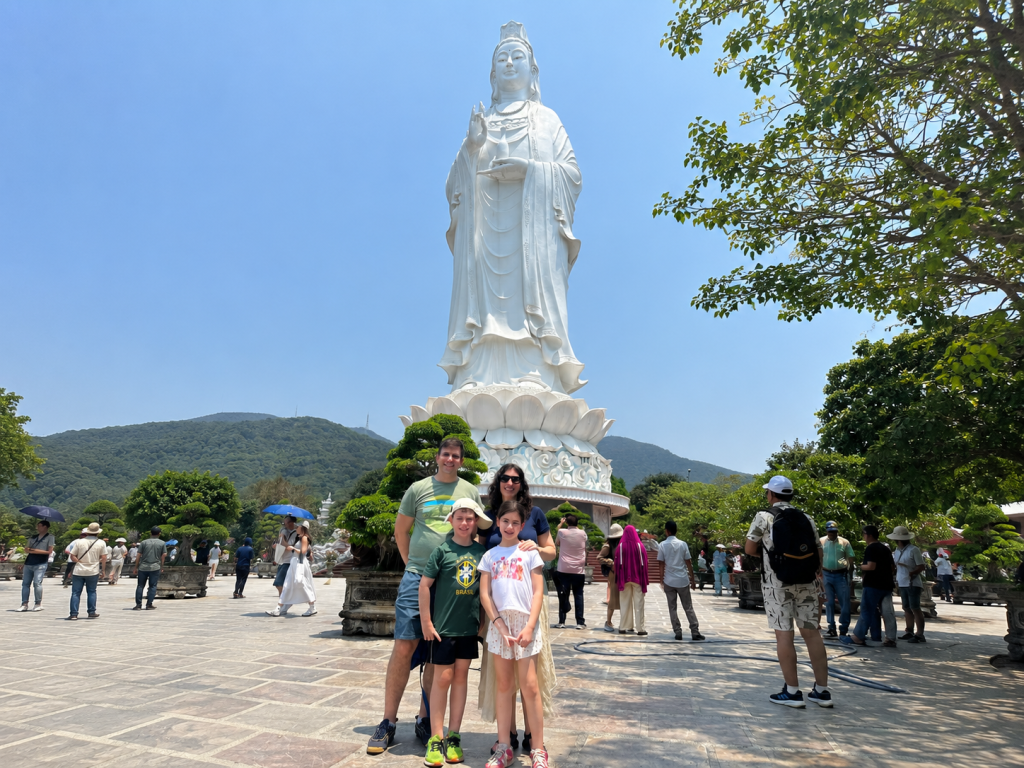
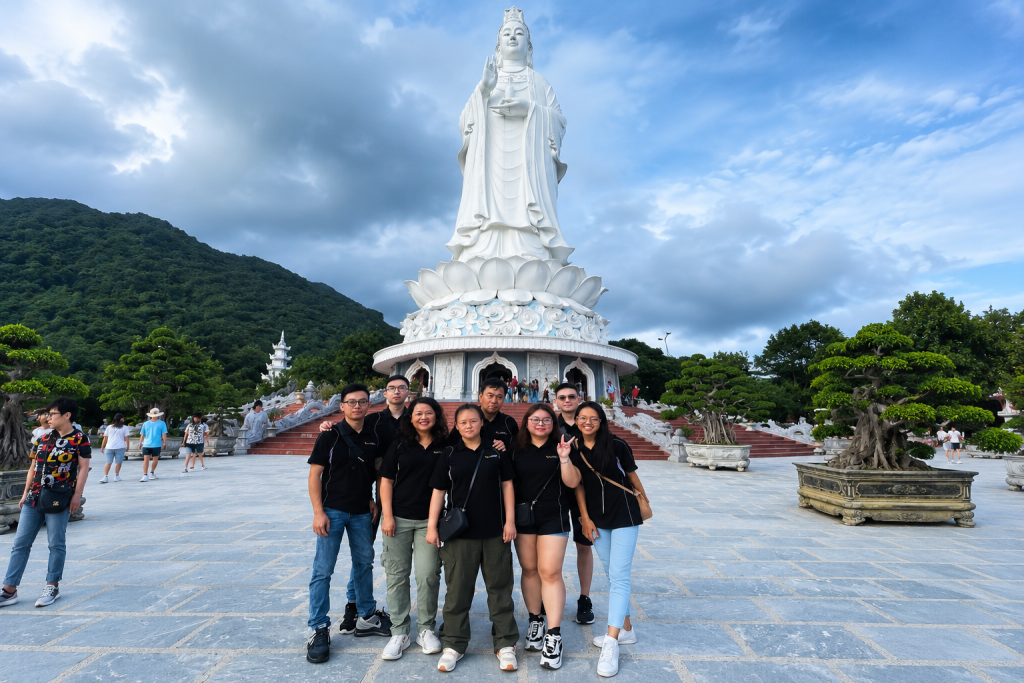
Linh Ung Pagoda: Currently considered the largest pagoda in Da Nang in terms of both scale and architectural style, it combines modern and traditional Vietnamese pagoda architecture with curved tiled roofs shaped like dragons, and sturdy pillars surrounded by intricately carved dragons. The pagoda is built on a mountainside resembling a turtle shell, nestled against the mountain forest and facing the sea. Situated at the confluence of vast land and sky, Linh Ung Pagoda is considered a sacred symbol of faith and is the only spiritual destination on the Son Tra Peninsula today.
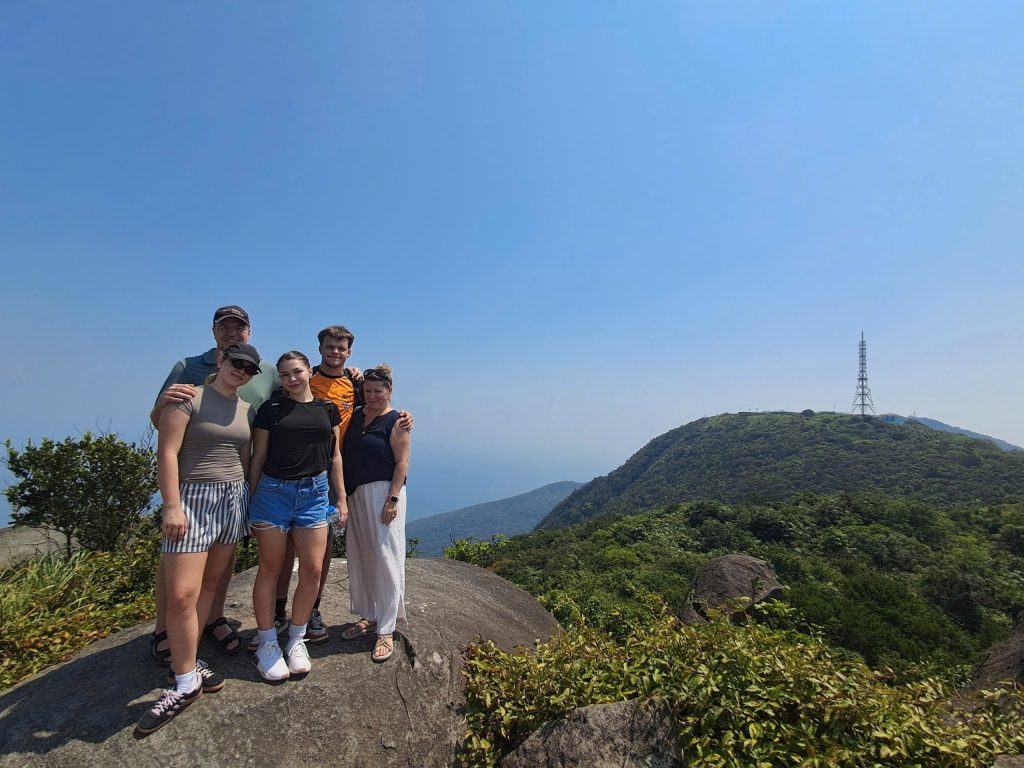
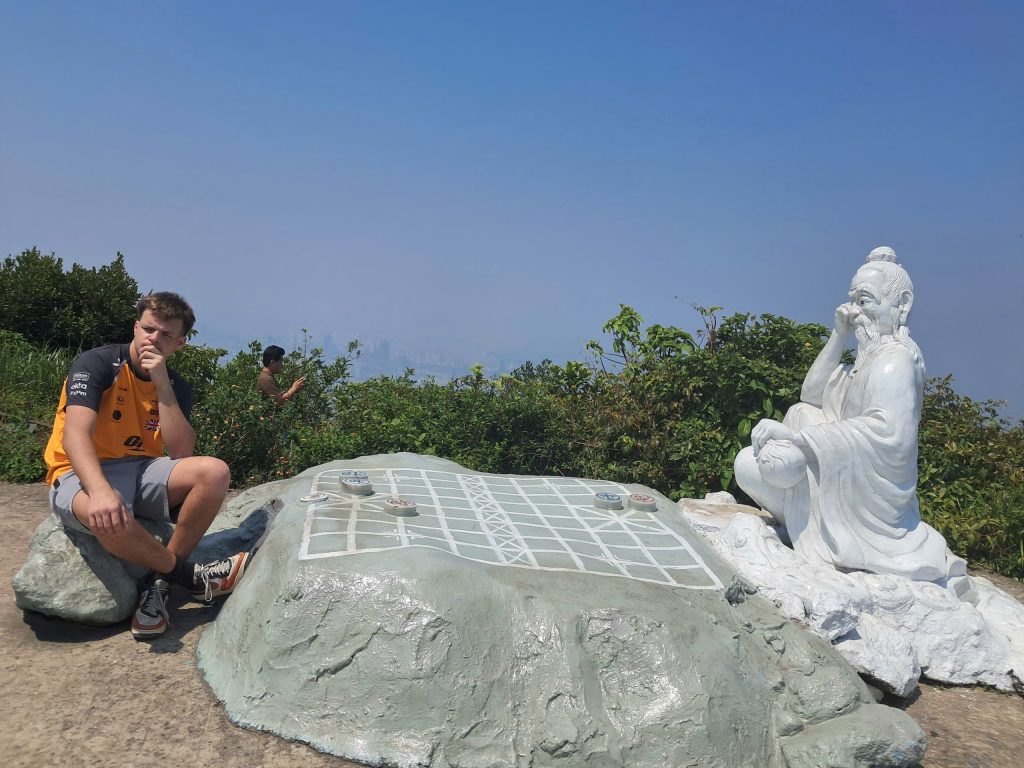
Ban Co Tien Peak: One of the destinations that everyone enjoys, with its challenging path leading up but offering breathtaking scenery. Upon reaching the summit, you’ll experience the magnificent natural landscape, taking in a panoramic view of Da Nang city. At the top is a stone chessboard and a statue of an immortal sitting. All of this evokes a sense of nostalgia amidst modern life.
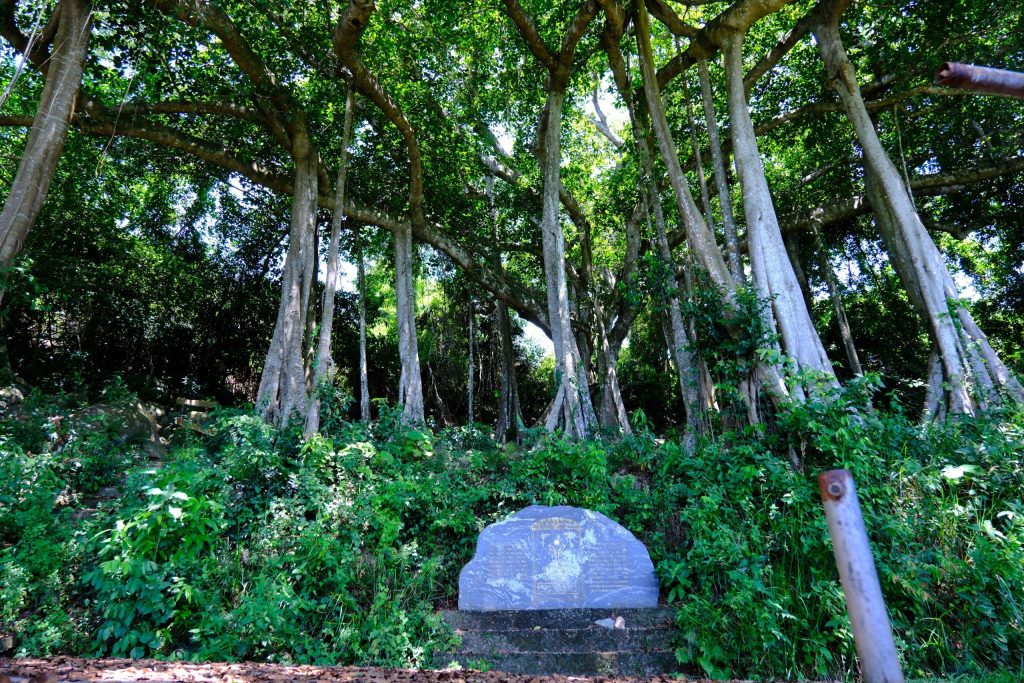
Ancient Banyan Tree: Although it has existed for a very long time, no scientist has yet confirmed its true age. The thousand-year-old banyan tree in sub-area 63 has a trunk circumference of up to 10m, with many secondary roots, each branch about 25m long, hanging down and penetrating deep into the ground, creating a beauty of unwavering strength and resilience rarely found elsewhere.
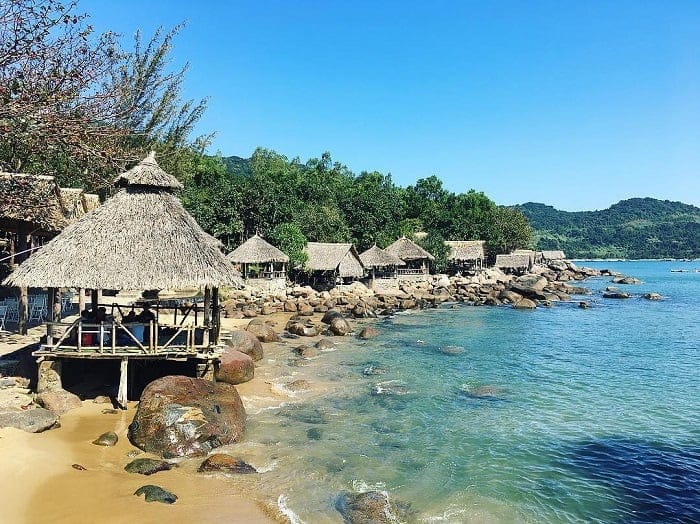
Beautiful Beaches: Along the coast of Son Tra Peninsula, there are many beautiful and famous sandy beaches such as Da Den Beach, Tien Sa Beach, Bac Beach (northern coast of Son Tra Peninsula), Nam Beach and But Beach (southern coast), all creating a strangely pristine beauty.

5. Indulge your taste buds with unique Son Tra cuisine
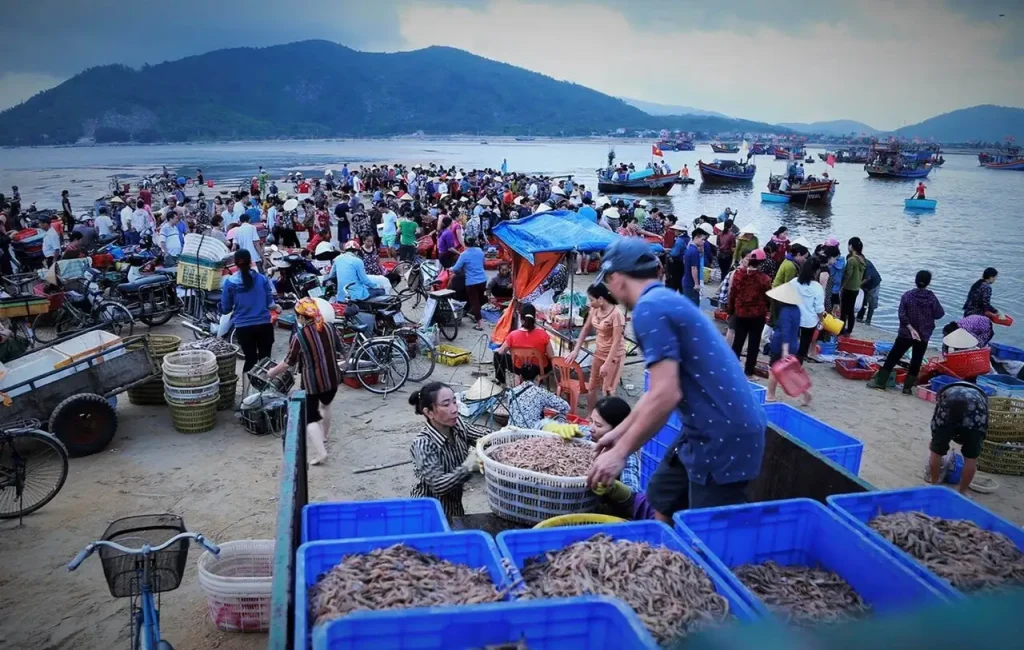
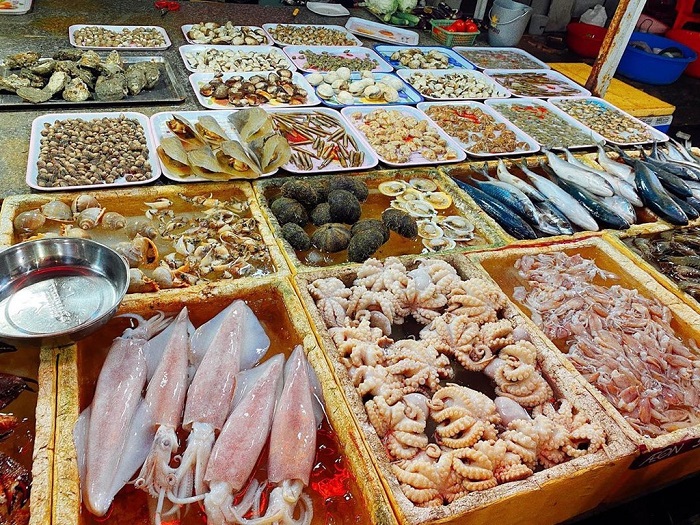
Visiting Son Tra Peninsula without enjoying fresh seafood is like wasting half the trip. Son Tra Peninsula is surrounded by the sea on three sides and is close to Tho Quang fishing port. You can buy fresh seafood yourself at stalls and seafood markets, then cook and enjoy it on the beach. For convenience, visit the restaurants and eateries on the island. Son Tra’s seafood is always fresh, freshly caught, and affordable. Because it’s just been caught, the freshness is guaranteed, and the prices are very reasonable.
Ancient Banyan Tree: Although it has existed for a very long time, no scientist has yet confirmed its true age. The thousand-year-old banyan tree in sub-area 63 has a trunk circumference of up to 10m, with many secondary roots, each branch about 25m long, hanging down and penetrating deep into the ground, creating a beauty of unwavering strength and resilience rarely found elsewhere.
It’s no exaggeration to say that Son Tra Peninsula is a treasure of Da Nang, a shining gem that needs to be protected in a glass case. Come here to enjoy the gifts that nature has bestowed upon this beautiful city.