

Hoa Lu Ancient Capital – A Timeless Symbol of Vietnam’s Golden History
Nestled amidst the majestic limestone mountains of Ninh Binh Province, Hoa Lu Ancient Capital was the first imperial capital of Vietnam’s centralized feudal state. Preserving more than a thousand years of history, this remarkable destination captivates visitors with its harmonious blend of breathtaking natural landscapes and ancient architectural heritage.
A visit to Hoa Lu offers far more than sightseeing. It is an opportunity to step back in time, explore sacred historical monuments, and gain a deeper understanding of one of the most significant periods in Vietnam’s nation-building and defense.
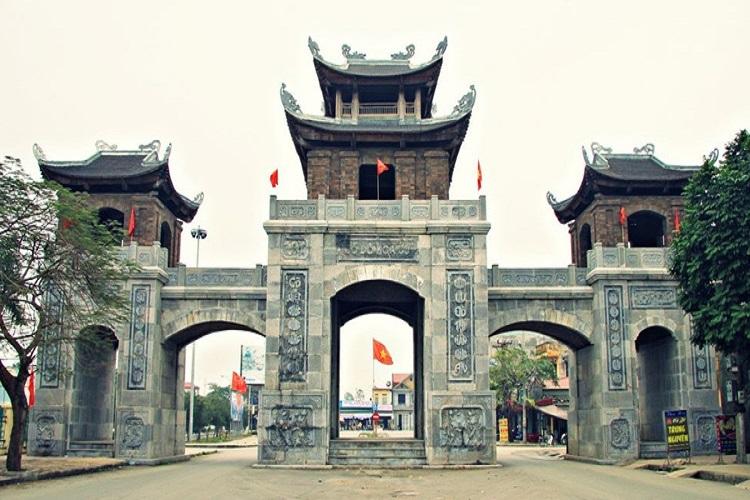
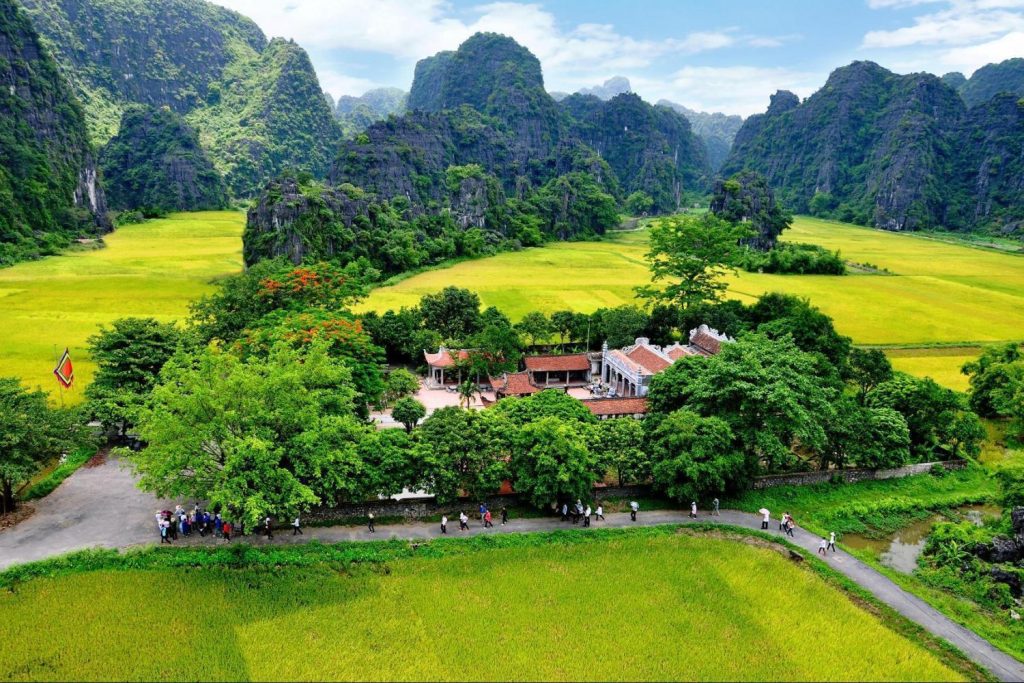
𝐓𝐡𝐞 𝐇𝐢𝐬𝐭𝐨𝐫𝐲 𝐨𝐟 𝐇𝐨𝐚 𝐋𝐮 𝐀𝐧𝐜𝐢𝐞𝐧𝐭 𝐂𝐚𝐩𝐢𝐭𝐚𝐥
In 968 AD, after unifying the country by defeating the Twelve Warlords, Dinh Bo Linh ascended the throne as Emperor Dinh Tien Hoang, established the nation of Dai Co Viet, and selected Hoa Lu as the capital.
Hoa Lu was chosen for its exceptional strategic location. Surrounded by towering limestone mountains and intersected by rivers and natural waterways, the area formed a formidable natural fortress that provided excellent protection against foreign invasions.
Following the Dinh Dynasty, Hoa Lu remained the national capital during the Early Le Dynasty under the reign of Emperor Le Dai Hanh. In 1010 AD, Emperor Ly Thai To relocated the capital to Thang Long (present-day Hanoi), marking the beginning of a new era of prosperity for Vietnam. Although it no longer served as the political center, Hoa Lu has remained a sacred historical site, preserving the nation’s earliest imperial legacy.
Today, Hoa Lu Ancient Capital is an integral part of the Trang An Landscape Complex, which was recognized as a UNESCO World Cultural and Natural Heritage Site in 2014.
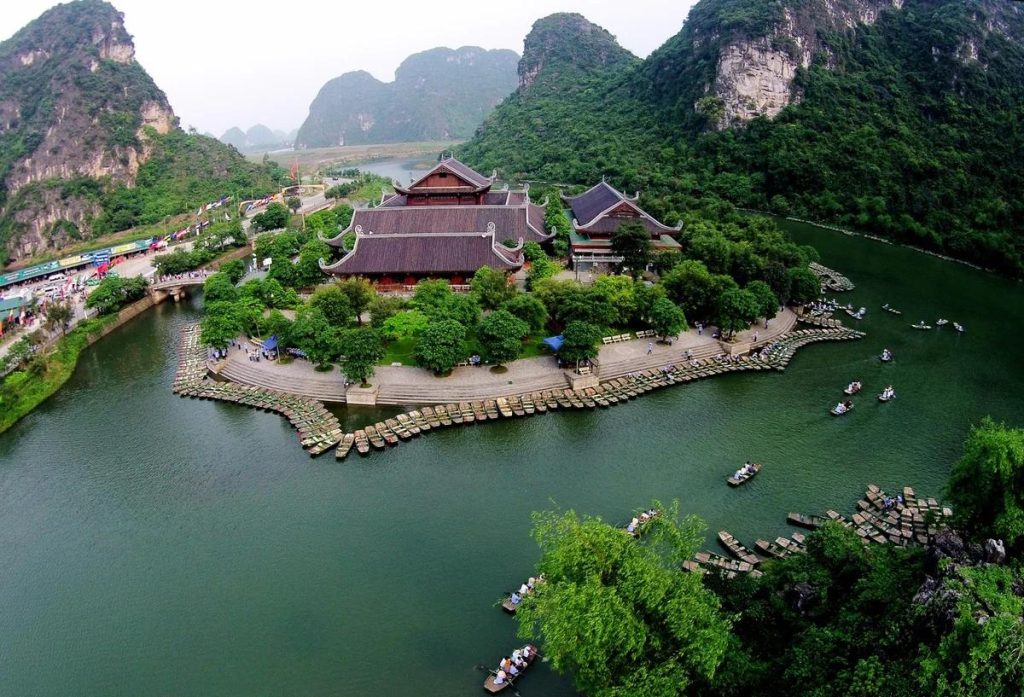
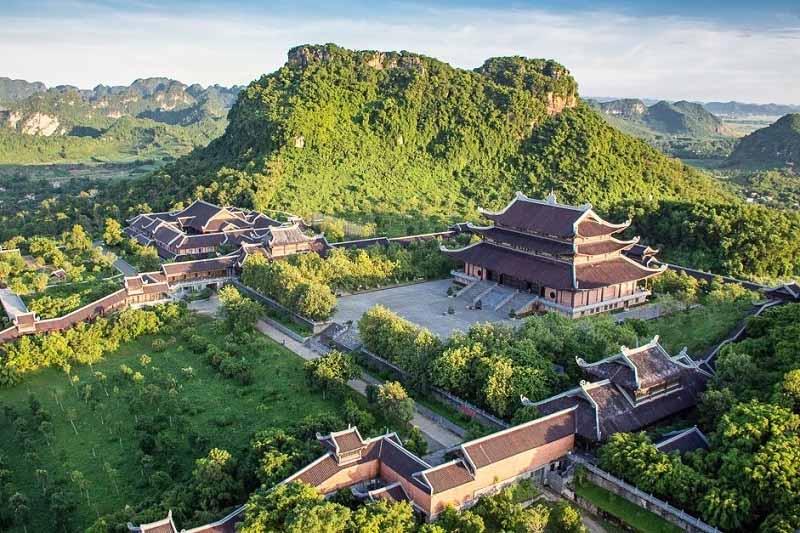
Highlights of Hoa Lu Ancient Capital
1. King Dinh Tien Hoang Temple
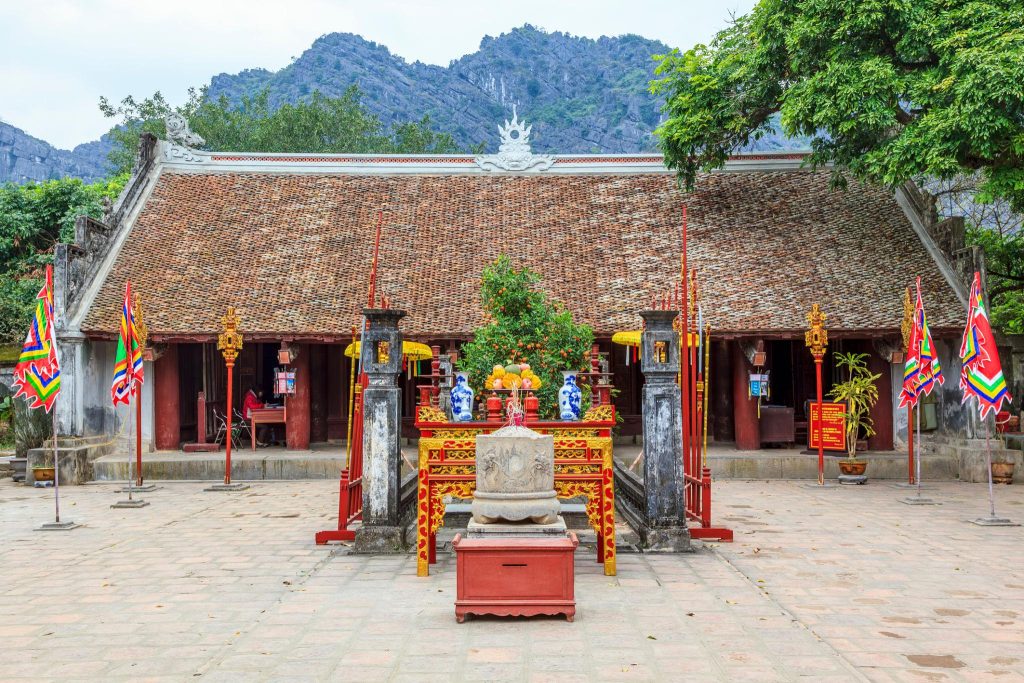
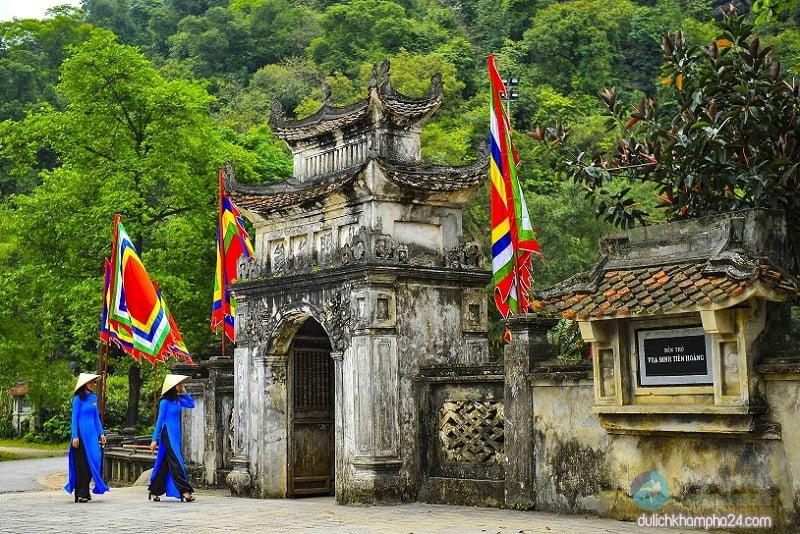
The Temple of King Dinh is the most important monument within the ancient capital. Built on the foundation of the former royal palace, it honors Emperor Dinh Tien Hoang, the founder of the first unified Vietnamese kingdom.
The temple is renowned for its exquisite wood and stone carvings, traditional Vietnamese architecture, and peaceful atmosphere, offering visitors a glimpse into the country’s rich cultural heritage.
2. King Le Dai Hanh Temple
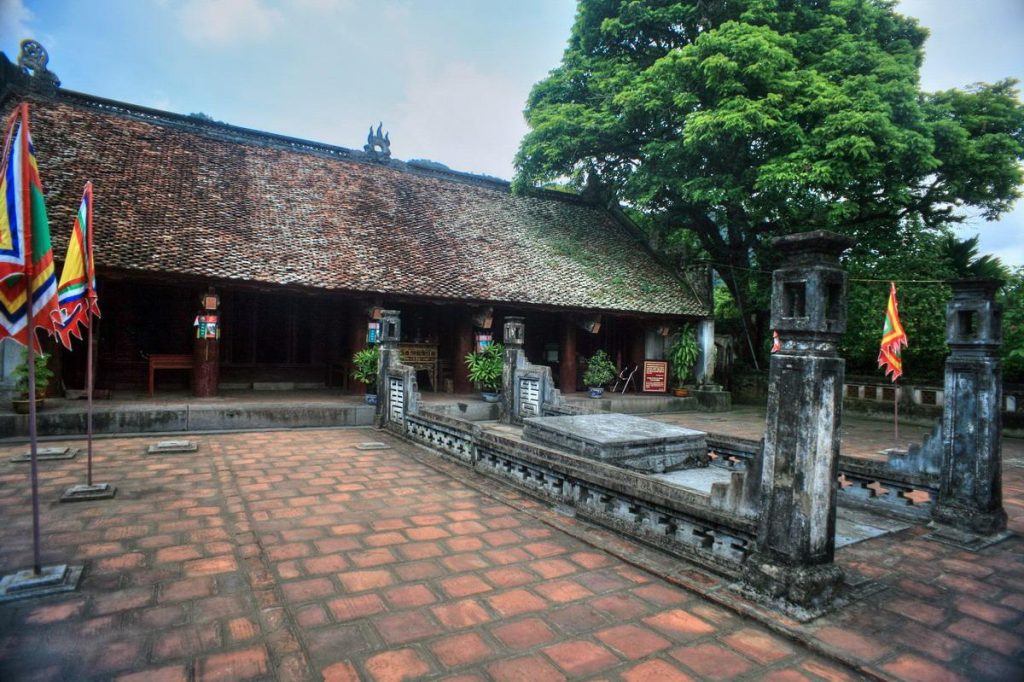
Located approximately 300 meters from King Dinh Temple, King Le Temple commemorates Emperor Le Dai Hanh, who successfully defended the nation against the Song Dynasty and strengthened the independence of Dai Co Viet.
Surrounded by lush greenery and dramatic limestone mountains, the temple provides a serene and spiritual environment for visitors.
3. The Ancient Citadel and Historical Ruins
Although much of the original royal palace has disappeared over time, sections of the ancient citadel, foundations, and defensive structures remain well preserved.
These historical remains demonstrate the remarkable military strategy and urban planning of the Vietnamese people more than a thousand years ago.
4. Spectacular Natural Scenery
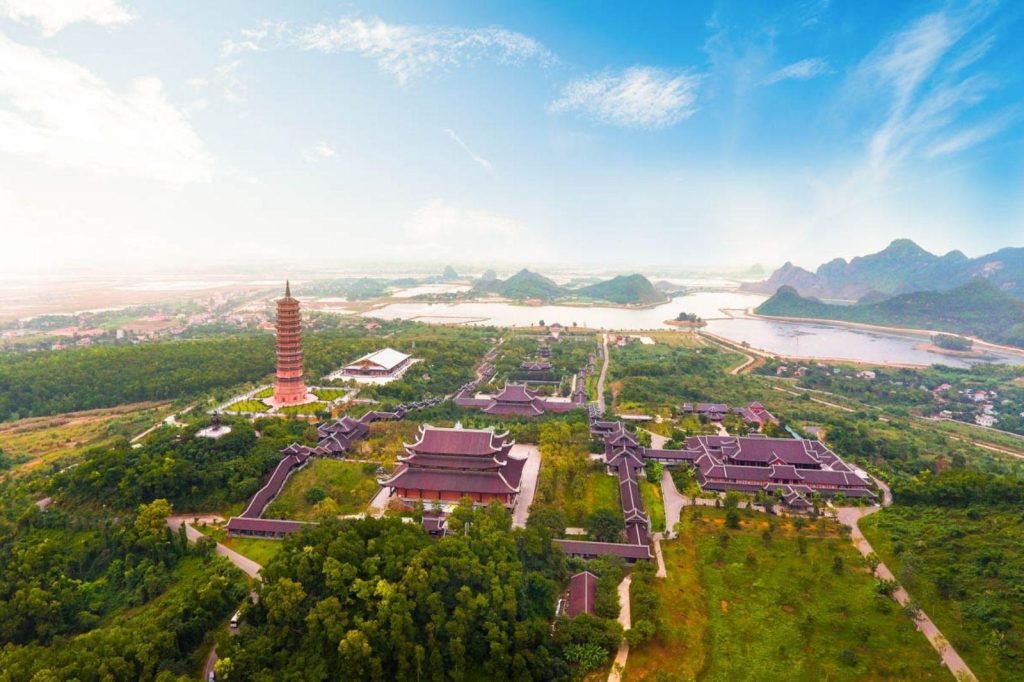
One of Hoa Lu’s greatest attractions is its magnificent natural setting.
Towering limestone mountains, peaceful rice fields, and winding rivers create an unforgettable landscape where history and nature exist in perfect harmony. It is also a favorite destination for photographers and travelers seeking stunning panoramic views.
Experiences You Shouldn’t Miss
- Discover the history of Vietnam’s first imperial capital.
- Visit the temples dedicated to Kings Dinh and Le.
- Admire traditional Vietnamese architecture dating back more than 300 years.
- Capture breathtaking photographs among the limestone mountain scenery.
- Experience the Hoa Lu Ancient Capital Festival, held annually during the third lunar month, featuring traditional ceremonies and cultural performances.
- Combine your visit with other famous attractions in Ninh Binh, including Trang An, Tam Coc – Bich Dong, Mua Cave, Bai Dinh Pagoda, and Tuyet Tinh Coc (Am Tien Cave).
Best Time to Visit
Hoa Lu is beautiful throughout the year, but the most recommended seasons include:
- January to March (Lunar Calendar): Pleasant weather and vibrant traditional festivals.
- Late May to Early June: The golden rice harvest transforms the surrounding countryside into one of Vietnam’s most picturesque landscapes.
- September to November: Cool temperatures, clear skies, and ideal conditions for sightseeing and photography.
Travel Tips
- Wear modest clothing when visiting temples and sacred sites.
- Choose comfortable walking shoes, as exploring the complex involves a fair amount of walking.
- Bring water, sunscreen, and a hat during the warmer months.
- Help preserve this historic site by respecting local regulations and avoiding littering.