

Nestled among the spectacular limestone mountains of Ninh Binh, where lush valleys, rice fields, rivers, and ancient temples come together, Hoa Lu Ancient Capital preserves the remarkable history of one of the most important periods in Vietnam’s past.
From 968 to 1010, Hoa Lu served as the capital of Dai Co Viet under the Dinh, Early Le, and early Ly dynasties. It was closely associated with legendary historical figures such as King Dinh Tien Hoang, King Le Dai Hanh, and King Ly Thai To.
Today, Hoa Lu is not only an important historical site but also one of the most fascinating destinations in Ninh Binh, offering visitors a unique combination of history, culture, traditional architecture, and spectacular natural scenery.
Where Is Hoa Lu Ancient Capital?
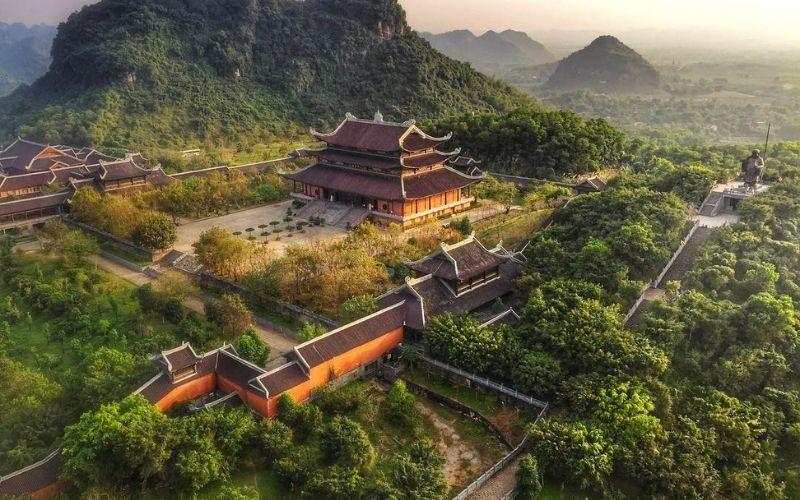
Hoa Lu Ancient Capital is located in Truong Yen Commune, Hoa Lu District, Ninh Binh Province, in northern Vietnam.
The location of Hoa Lu played an important role in its development as an ancient capital. Surrounded by limestone mountains and natural valleys, the area provided a naturally protected environment that was highly suitable for both political and military purposes.
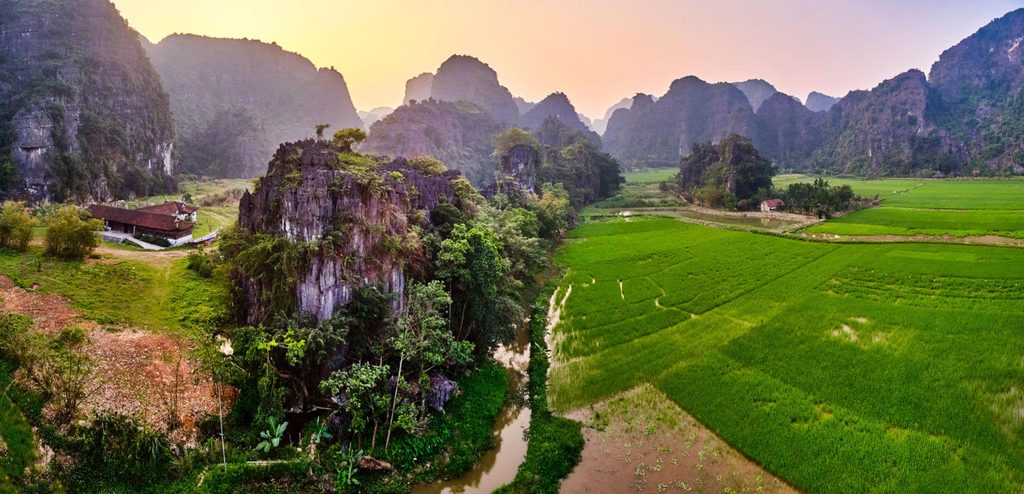
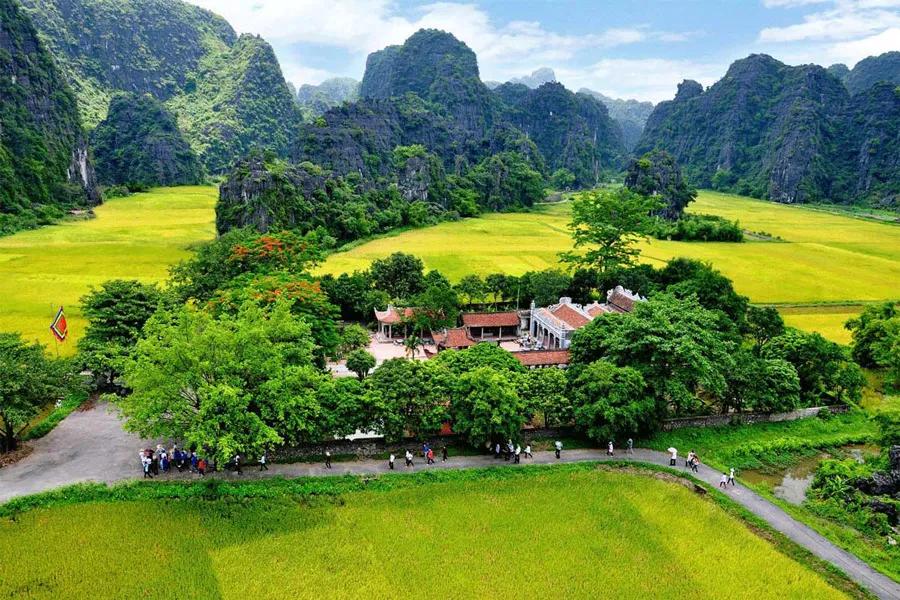
The surrounding landscape is characterized by dramatic karst mountains, peaceful rivers, green rice fields, and traditional villages.
Today, Hoa Lu is conveniently located near several of Ninh Binh’s most famous attractions, making it easy to combine with destinations such as Trang An, Tam Coc, Mua Cave, and Bai Dinh Pagoda.
The History of Hoa Lu Ancient Capital
The Birth of Dai Co Viet
In 968, Dinh Bo Linh successfully defeated the Twelve Warlords and reunified the country.
He ascended the throne as King Dinh Tien Hoang and established the kingdom of Dai Co Viet, choosing Hoa Lu as its capital.
This marked an important stage in the development of an independent Vietnamese state.
Hoa Lu became the political, military, and cultural center of the country. Its surrounding limestone mountains served as a natural defensive system, while the valleys and waterways provided additional protection for the capital.
Because of its unique geography, Hoa Lu was often described as a capital surrounded by mountains.
The Early Le Dynasty
After the death of King Dinh Tien Hoang, Le Hoan became king and was known as King Le Dai Hanh.
Hoa Lu continued to serve as the capital during the Early Le Dynasty.
In 981, the army of Dai Co Viet, under the leadership of King Le Dai Hanh, successfully defeated the Song forces, helping protect the independence of the country.
During this period, Hoa Lu remained an important political and military center.
From Hoa Lu to Thang Long
In 1010, King Ly Thai To decided to move the capital from Hoa Lu to Dai La.
Dai La was later renamed Thang Long, which became the political center of Vietnam for many centuries.
Although Hoa Lu was no longer the capital, it became known as the “Ancient Capital of Hoa Lu” and continued to preserve important historical and cultural remains from the Dinh and Early Le dynasties.
For this reason, visiting Hoa Lu is more than simply sightseeing. It is an opportunity to discover an important chapter in Vietnam’s history and learn how the country developed during the 10th and early 11th centuries.
Highlights of Hoa Lu Ancient Capital
1. King Dinh Tien Hoang Temple
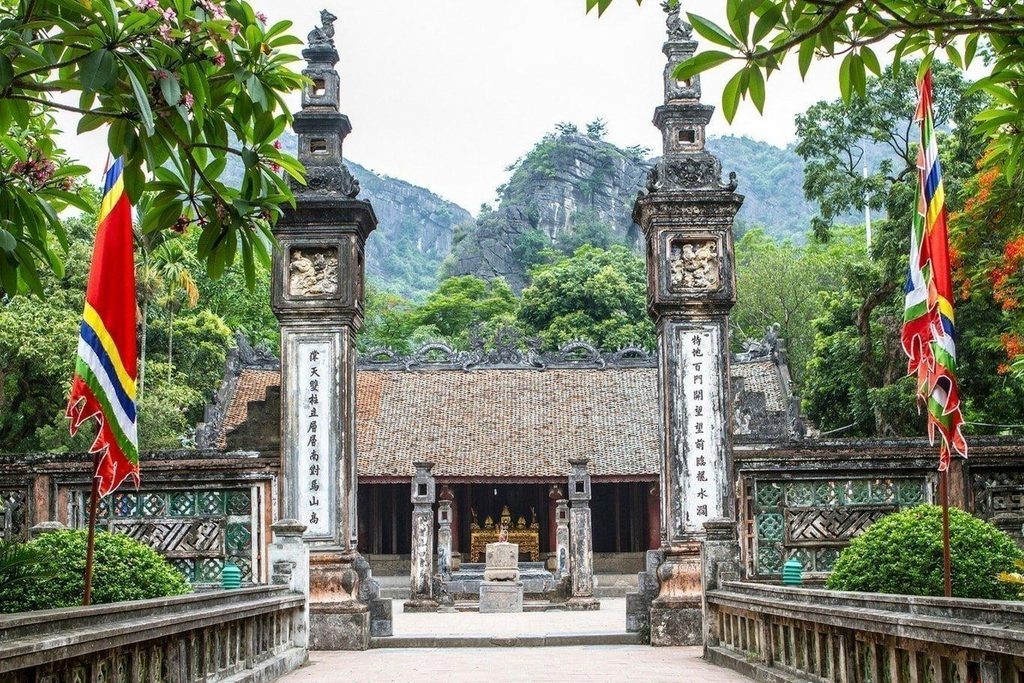
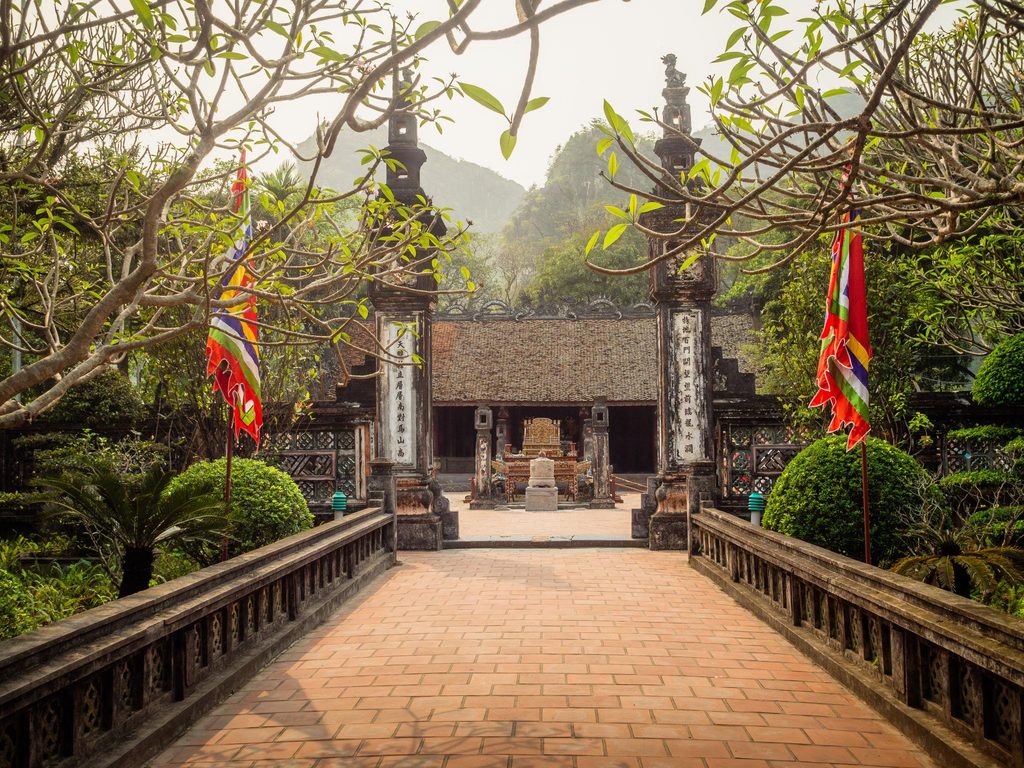
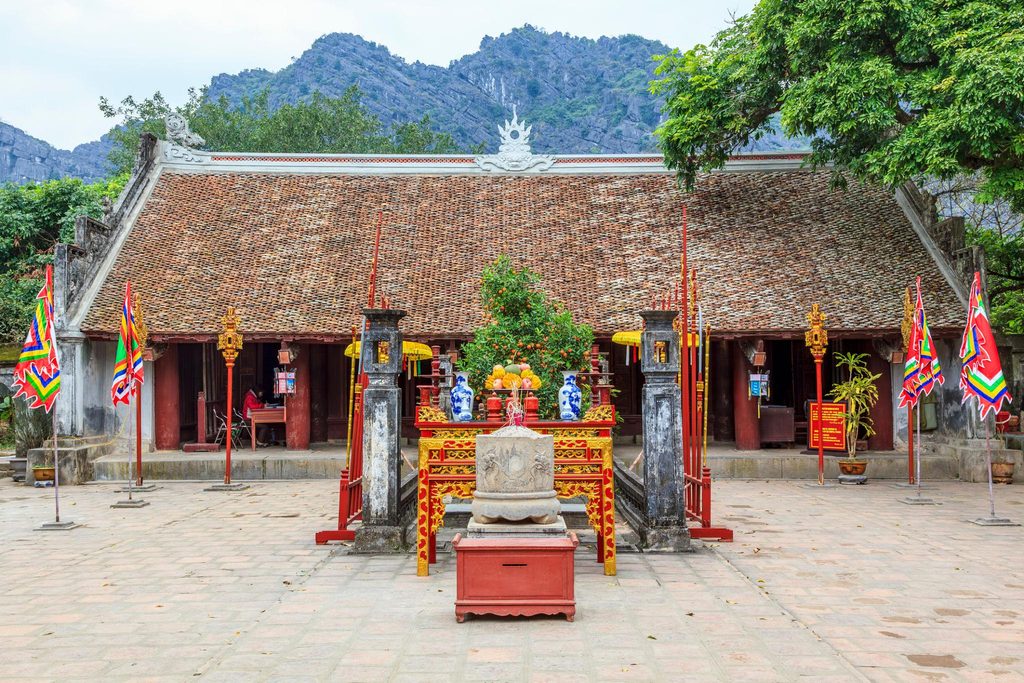
King Dinh Tien Hoang Temple is one of the most important monuments within the Hoa Lu complex.
The temple was built to honor King Dinh Tien Hoang, the ruler who reunited the country after the period of the Twelve Warlords and established Dai Co Viet.
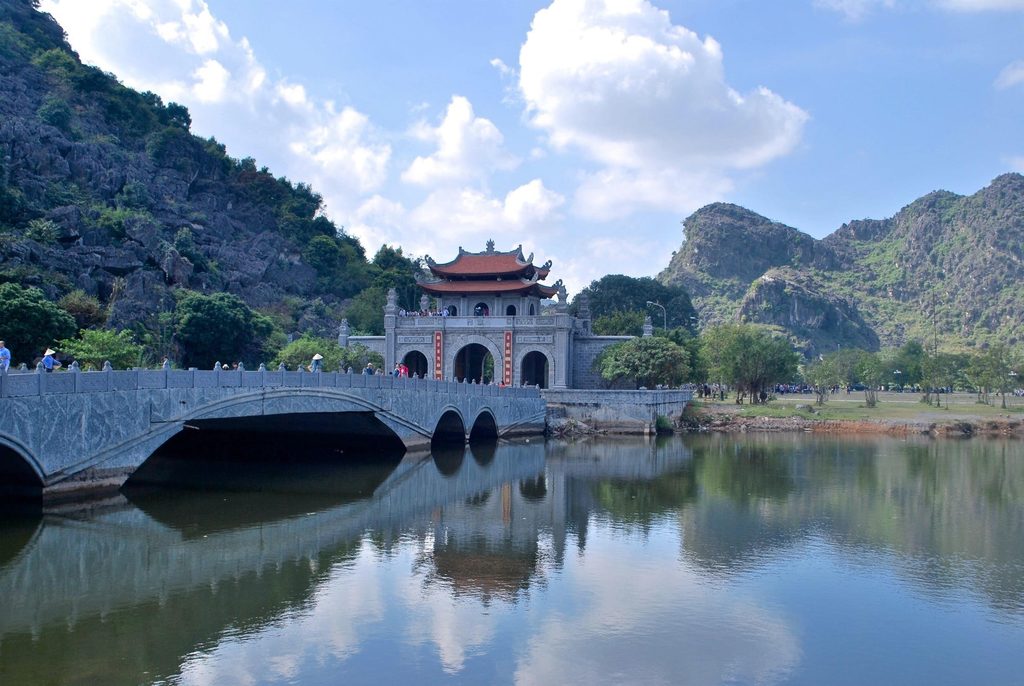
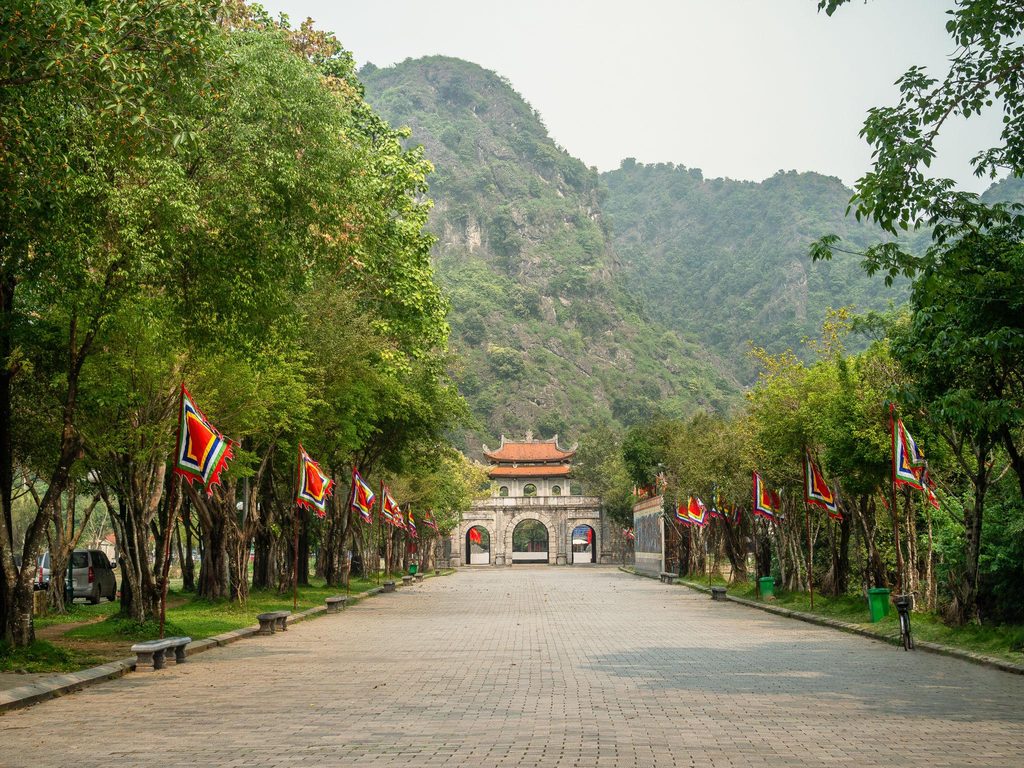
The temple features traditional Vietnamese architecture, including a ceremonial gate, spacious courtyard, worship halls, and beautifully decorated details.
Surrounded by trees and limestone mountains, the temple has a peaceful and solemn atmosphere.
Visitors can take their time to admire the architecture while learning about the life and achievements of King Dinh Tien Hoang.
2. King Le Dai Hanh Temple
Located approximately 500 meters from King Dinh Tien Hoang Temple, King Le Dai Hanh Temple is another important historical monument in Hoa Lu.
The temple commemorates King Le Dai Hanh, who continued to develop and defend Dai Co Viet after the Dinh Dynasty.
Visitors can learn about the Early Le Dynasty, the country’s military history, and the important role Hoa Lu played during this period.
The traditional architecture and peaceful surroundings make the temple an excellent place to experience Vietnam’s historical and cultural heritage.
3. Limestone Mountains – The Natural Fortress of Hoa Lu
One of the most impressive features of Hoa Lu is its spectacular natural landscape.
Towering limestone mountains surround the ancient capital, forming a natural defensive system.
The mountains create a series of valleys and narrow passages, giving Hoa Lu a distinctive landscape that combines history with nature.
Today, visitors can see how the ancient capital was integrated into its natural surroundings.
The landscape features:
- Limestone mountains
- Green rice fields
- Rivers and waterways
- Ancient temples
- Traditional architecture
- Peaceful countryside
This unique combination is one of the reasons why Hoa Lu is often included in Ninh Binh travel itineraries.
4. Archaeological Remains of the Ancient Capital
Hoa Lu is not only about its temples and historical monuments.
Archaeological discoveries in the area have revealed important evidence of the ancient capital, including architectural remains, Buddhist stone inscriptions, and other artifacts dating back to the 10th century.
These discoveries help historians and researchers better understand the appearance, culture, religion, and daily life of Hoa Lu during the Dinh and Early Le dynasties.
For visitors interested in Vietnamese history, these archaeological discoveries add another fascinating dimension to the experience.
Hoa Lu Festival – A Celebration of Vietnamese Heritage
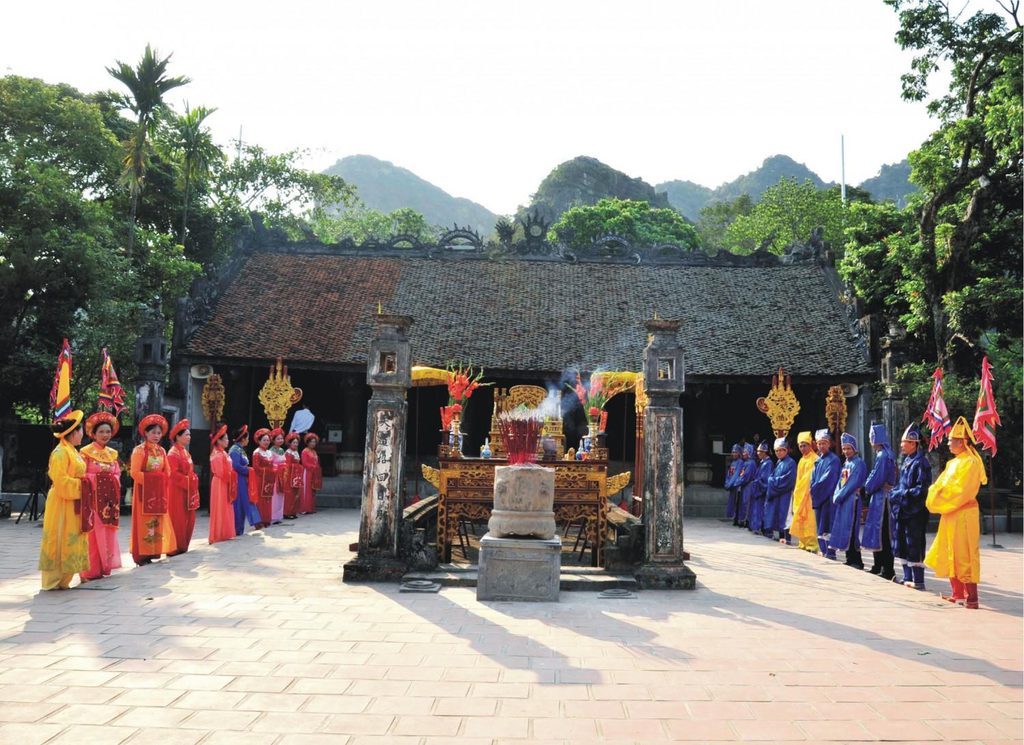
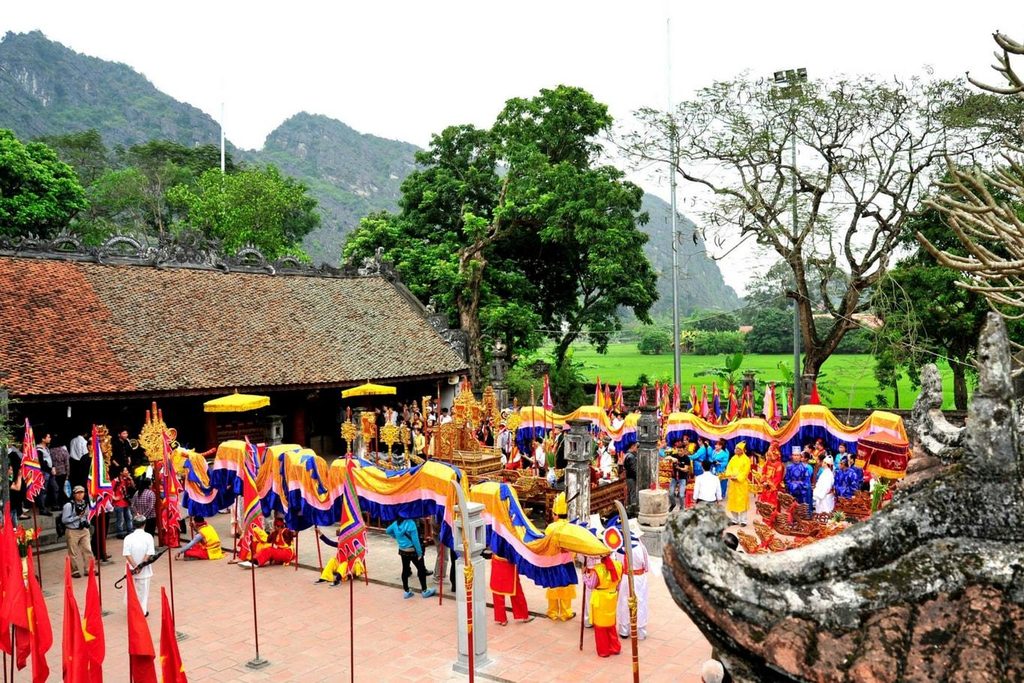
Hoa Lu is also famous for the traditional Hoa Lu Festival, which honors the historical figures who played important roles in the development and protection of the country.
The festival includes traditional ceremonies, incense offerings, cultural performances, and various traditional activities.
It provides an opportunity for local communities and visitors to learn more about the history and cultural traditions of Ninh Binh.
The Hoa Lu Festival has been recognized as a National Intangible Cultural Heritage, highlighting its importance to Vietnam’s cultural heritage.
The Best Time to Visit Hoa Lu
Hoa Lu can be visited throughout the year, with each season offering a different experience.
Spring – Festival Season
Spring is a particularly interesting time to visit because of the festive atmosphere and traditional cultural activities.
Visitors can combine sightseeing with experiencing local customs and ceremonies.
Summer – Green Landscapes
During summer, the surrounding countryside becomes especially green.
Although temperatures can be higher, the lush vegetation, limestone mountains, and peaceful countryside create beautiful scenery.
Visitors can explore Hoa Lu in the morning and then continue to Trang An or Tam Coc in the afternoon.
Rice Season – A Photographer’s Favorite
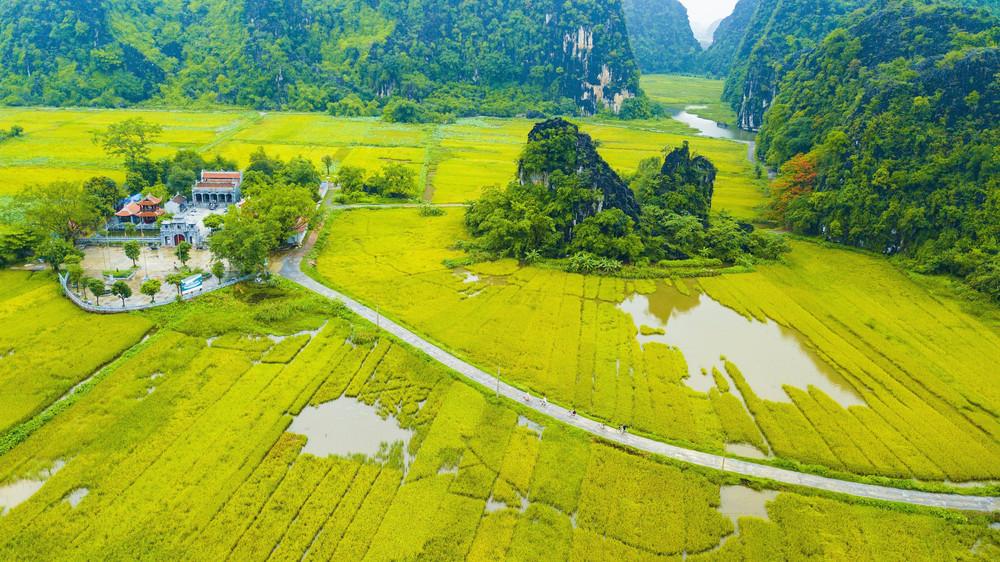
During the rice-growing season, the countryside around Ninh Binh becomes especially beautiful.
Green or golden rice fields stretch beneath the limestone mountains, creating one of the most iconic landscapes in northern Vietnam.
This is an excellent time for photography and experiencing the peaceful atmosphere of rural Ninh Binh.
What Can You Combine with Hoa Lu?
One of the advantages of visiting Hoa Lu is its convenient location near other major attractions in Ninh Binh.
Hoa Lu → Trang An
Start your day by exploring King Dinh Tien Hoang Temple and King Le Dai Hanh Temple.
Then continue to Trang An for a scenic boat trip through limestone mountains, rivers, and caves.
Hoa Lu → Tam Coc
After discovering the history of the ancient capital, continue to Tam Coc for a relaxing boat journey through rice fields, rivers, and limestone mountains.
Hoa Lu → Mua Cave
For travelers who enjoy nature and panoramic views, Hoa Lu can be combined with Mua Cave.
After climbing the steps to the viewpoint, visitors can enjoy spectacular views over the surrounding mountains and countryside.
Hoa Lu → Bai Dinh Pagoda
Hoa Lu can also be combined with Bai Dinh Pagoda, one of the most famous Buddhist complexes in Ninh Binh.
This combination allows visitors to experience both Vietnam’s ancient history and its religious heritage in one day.