

Notre-Dame Cathedral Basilica of Saigon – The Heart of Ho Chi Minh City
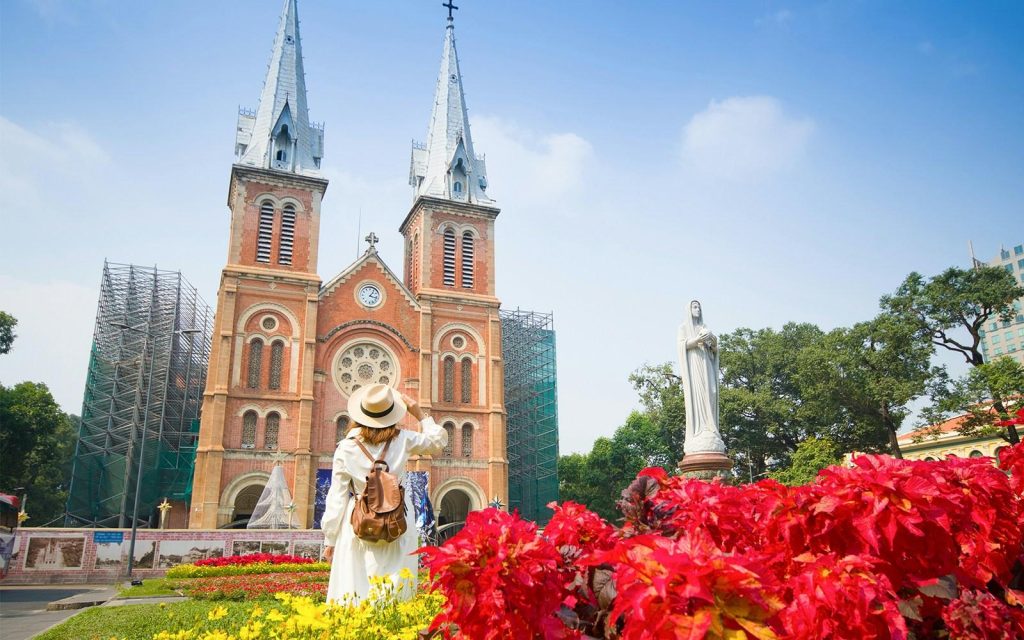
When visiting Ho Chi Minh City, one of the first landmarks that comes to mind is the Notre-Dame Cathedral Basilica of Saigon. With its magnificent twin bell towers and distinctive pinkish-red brick façade, this iconic landmark has become one of the city’s most recognizable attractions. Because of its unique exterior color, many visitors affectionately refer to it as the “Pink Church.”
More than just a place of worship, the cathedral is a remarkable symbol of Vietnam’s history, culture, and architectural heritage, attracting millions of domestic and international visitors each year.
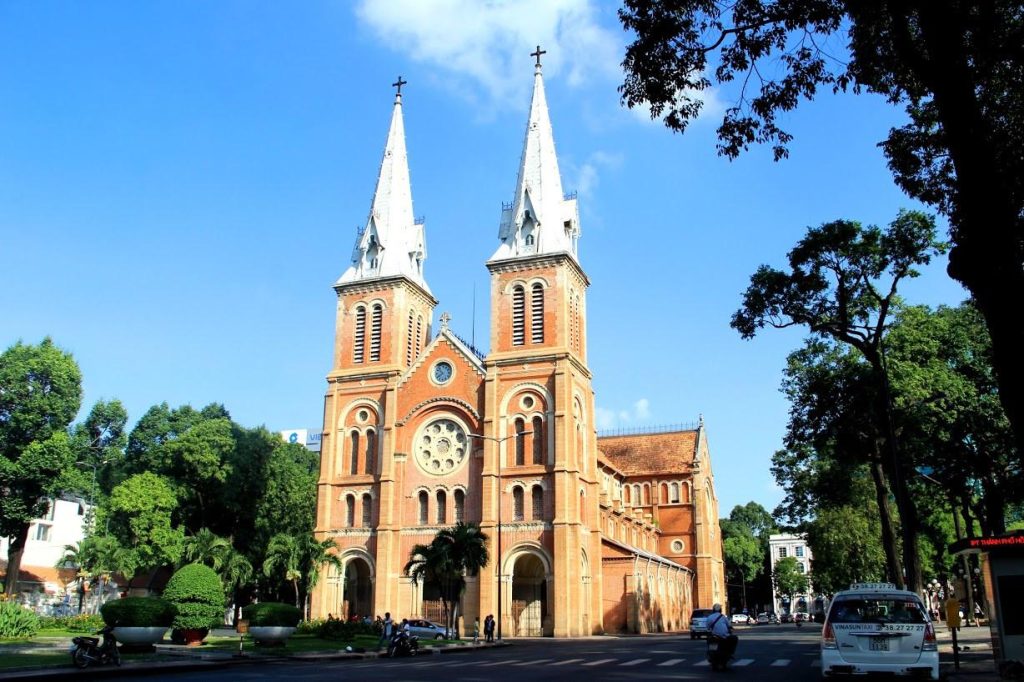
The History of Notre-Dame Cathedral Basilica of Saigon
Following the French occupation of Saigon in 1859, the colonial government sought to build a grand cathedral to serve the growing Catholic community while showcasing European architecture in French Indochina.
Construction began in 1877 under the supervision of Bishop Isidore Colombert. The cathedral was designed by French architect Jules Bourard, who combined the elegant Romanesque and Gothic Revival architectural styles to create one of the most impressive religious buildings in Southeast Asia.
After nearly three years of construction, the cathedral was officially inaugurated on April 11, 1880, and was originally named Saigon Cathedral.
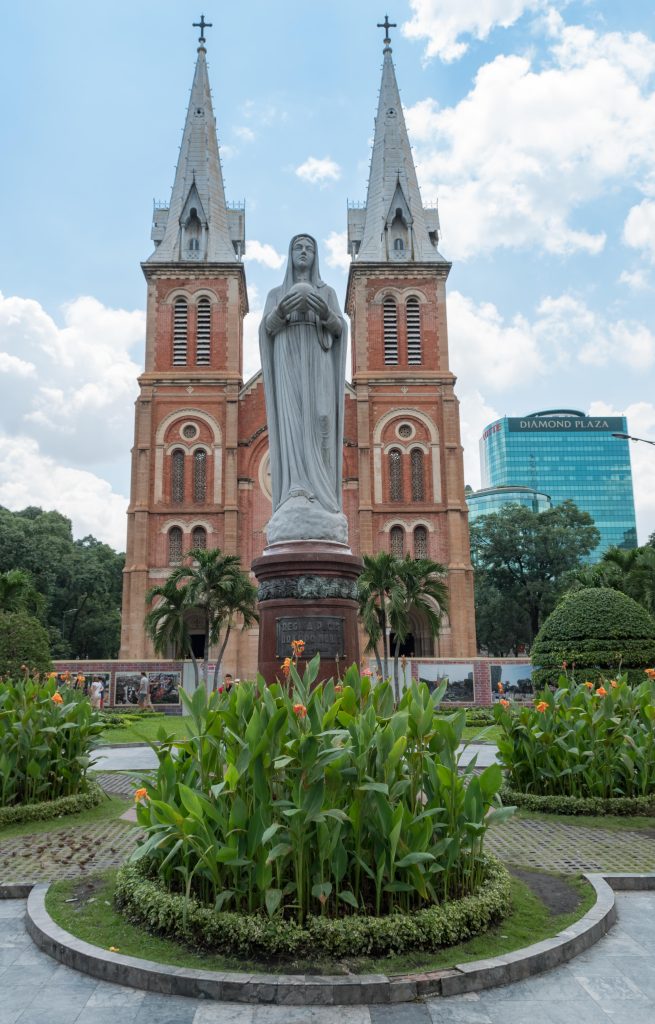
In 1959, to commemorate the 100th anniversary of the apparition of Our Lady of Lourdes in France, a white marble statue of Our Lady of Peace was imported from Italy and placed in front of the cathedral. Since then, the church has become widely known as the Notre-Dame Cathedral Basilica of Saigon.
In 1962, the Vatican granted the cathedral the prestigious title of Minor Basilica, making it one of the few churches in Vietnam to receive this distinguished honor.
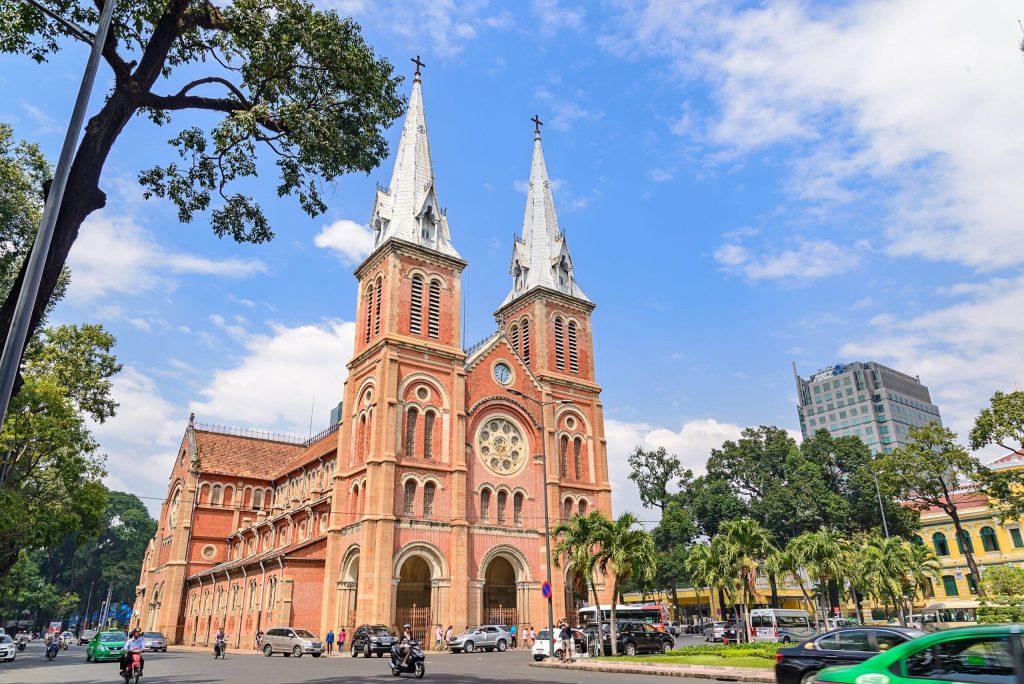
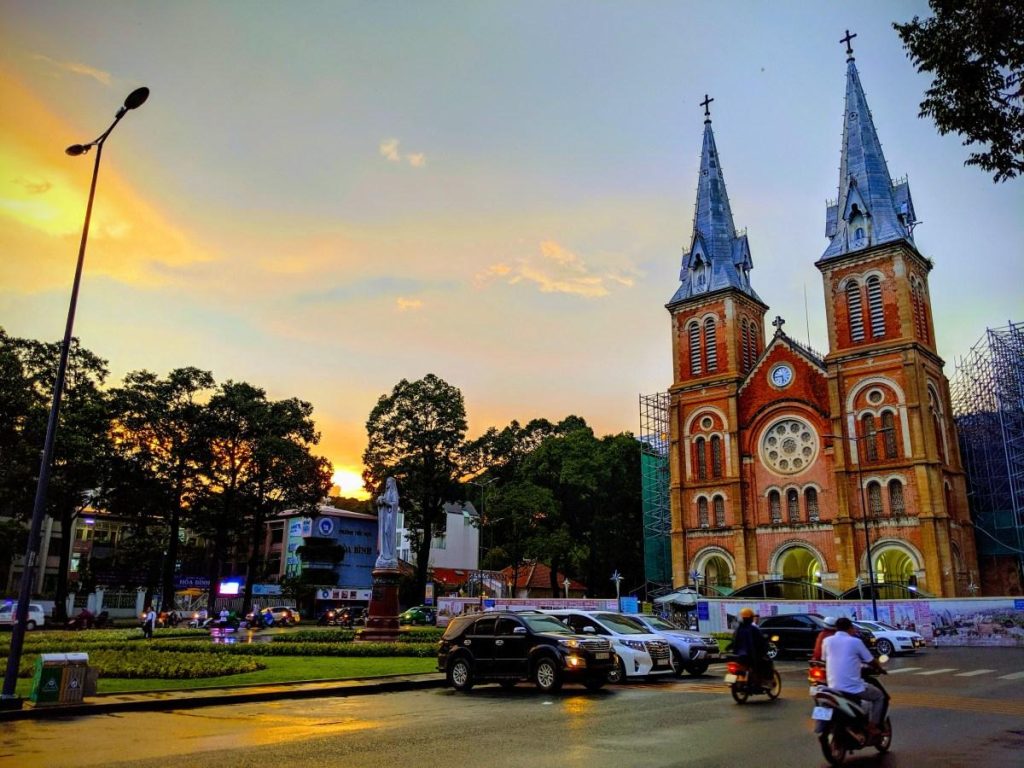
A Masterpiece of European Architecture
One of the cathedral’s most fascinating features is that nearly all of its construction materials were imported directly from France.
Its iconic red bricks were manufactured in Toulouse, France, and are renowned for retaining their natural color for more than a century without the need for paint. This unique characteristic has earned the cathedral its popular nickname, the “Pink Church,” as the warm reddish-pink tones become especially striking under sunlight.
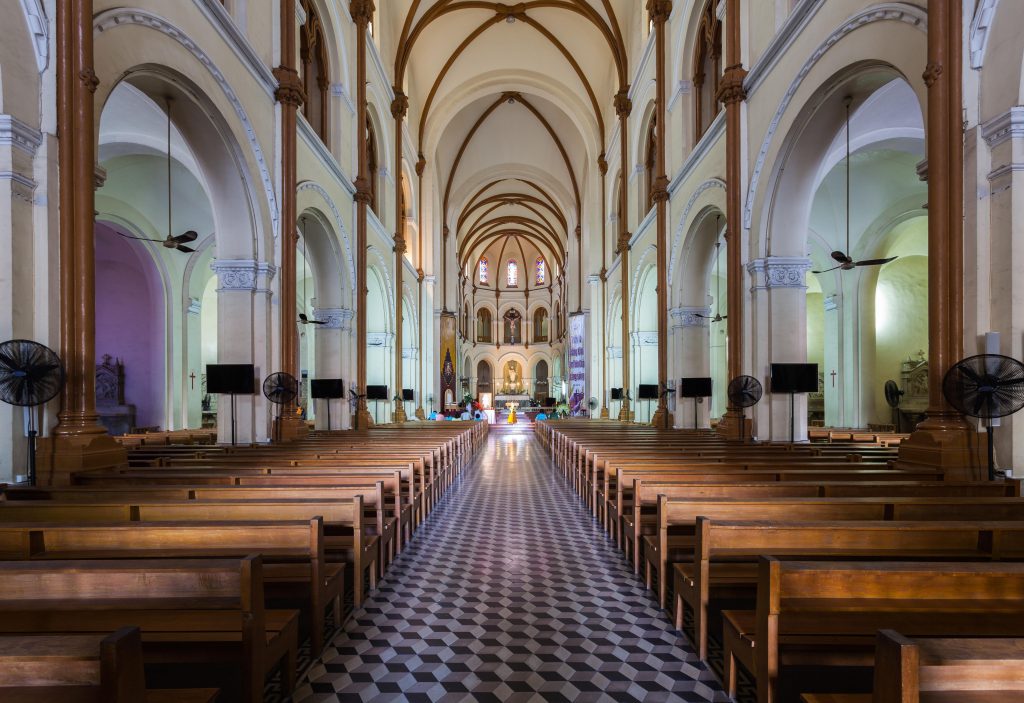
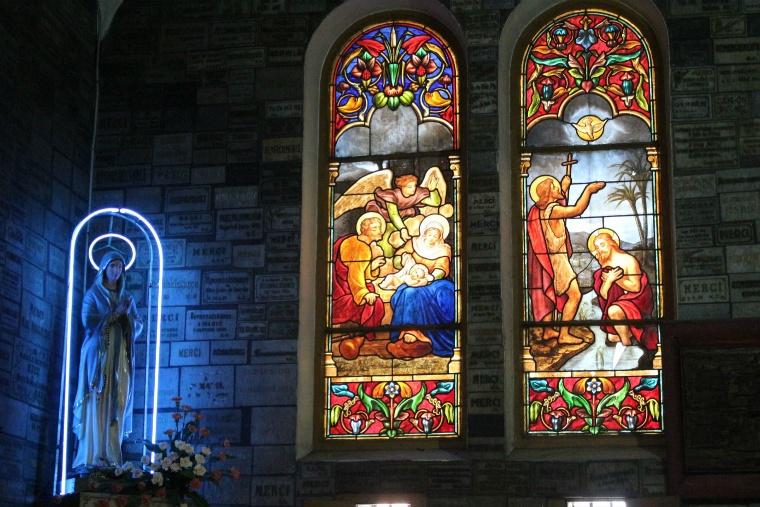
Inside, visitors are greeted by an impressive Gothic-inspired interior featuring:
- A vaulted ceiling rising over 20 meters high.
- Stunning stained-glass windows that fill the sanctuary with colorful natural light.
- Massive stone columns creating a spacious and solemn atmosphere.
- Elegant vaulted arches that enhance both beauty and ventilation.
The cathedral’s twin bell towers, added in 1895, stand approximately 60 meters tall and remain one of the defining features of Ho Chi Minh City’s skyline.
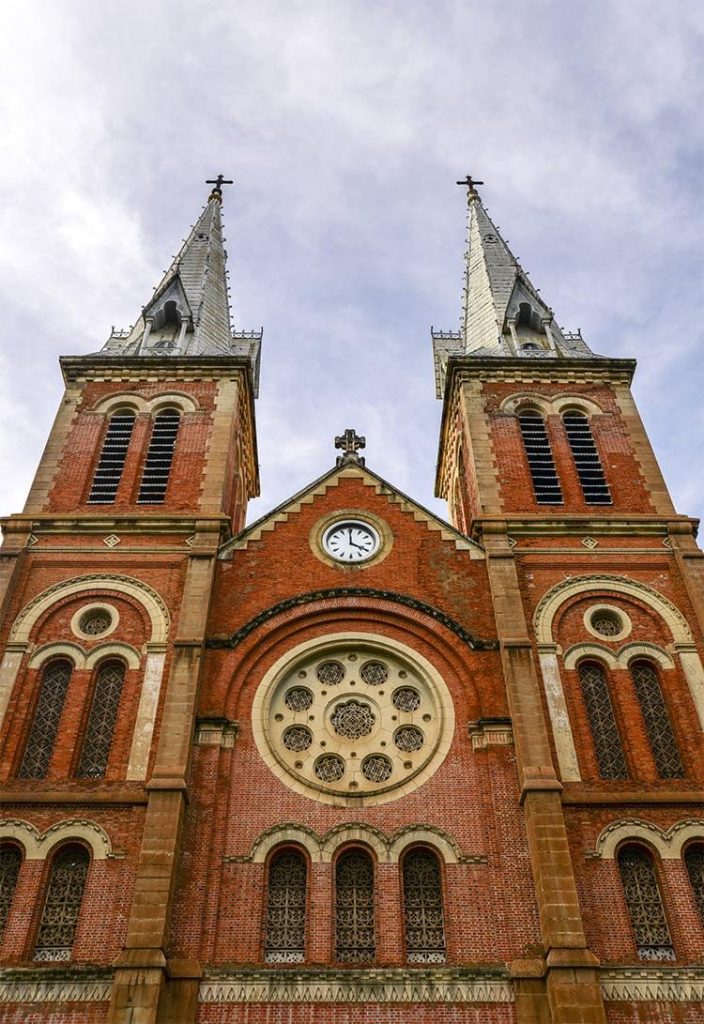
Historical and Cultural Significance
For more than 140 years, Notre-Dame Cathedral Basilica of Saigon has witnessed the transformation of Saigon into today’s vibrant Ho Chi Minh City.
As the cathedral of the Archdiocese of Ho Chi Minh City, it continues to host important religious ceremonies while also serving as one of the city’s most beloved cultural landmarks.
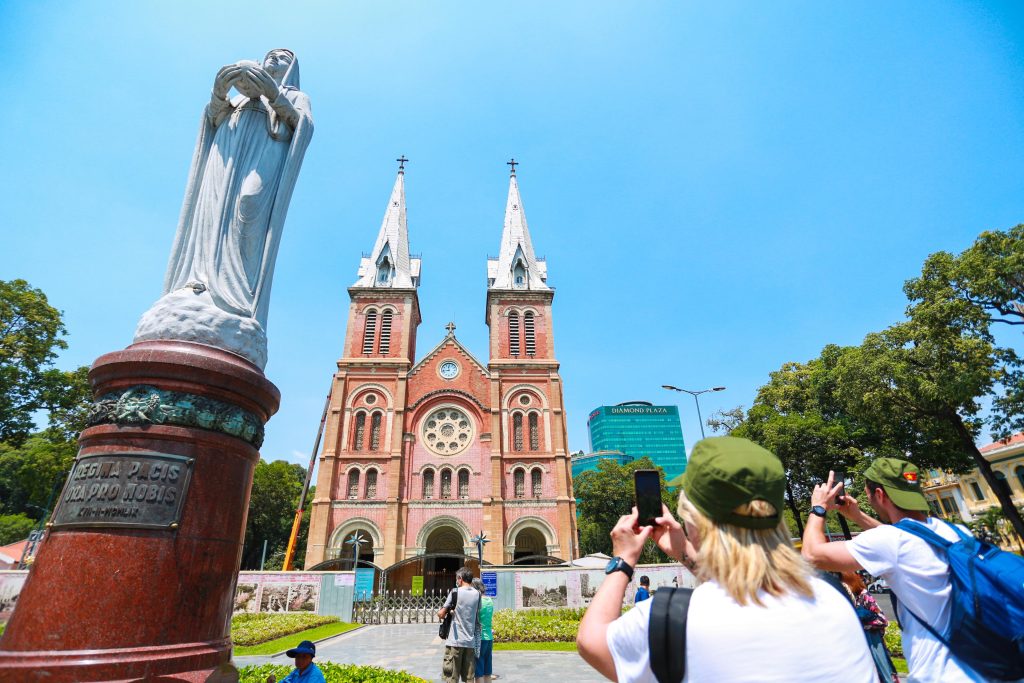
The square in front of the cathedral, Paris Commune Square, is a lively gathering place where both locals and tourists enjoy sightseeing, photography, leisurely walks, and nearby cafés.
Its central location also makes it easy to combine a visit with several of Ho Chi Minh City’s most famous attractions, including:
- Saigon Central Post Office
- Nguyen Van Binh Book Street
- Independence Palace
- Saigon Opera House
- Nguyen Hue Walking Street
Thanks to its convenient location, visitors can explore several iconic landmarks within just a few hours.
Why Is It Called the “Pink Church”?
Although its official name is the Notre-Dame Cathedral Basilica of Saigon, many locals and travelers simply call it the “Pink Church” because of its distinctive reddish-pink brick exterior.
The imported French bricks have maintained their natural beauty for over a century, making the cathedral one of Vietnam’s most unique architectural treasures.
Today, it remains one of the most photographed and Instagram-worthy landmarks in Ho Chi Minh City.
Travel Tips for Visiting Notre-Dame Cathedral Basilica
Best Time to Visit
The ideal times to visit are between 7:00 AM and 9:00 AM or 4:00 PM and 6:00 PM, when the weather is cooler and the natural lighting is perfect for photography.
Dress Code
As an active place of worship, visitors are encouraged to wear modest clothing and maintain a respectful and quiet atmosphere while inside the cathedral grounds.
Visitor Information
The cathedral occasionally undergoes restoration and preservation work, which may limit access to the interior. However, the exterior and the surrounding square remain open and continue to be among the city’s most popular sightseeing destinations.
Conclusion
More than just a historic church, the Notre-Dame Cathedral Basilica of Saigon is a timeless symbol of Ho Chi Minh City’s rich heritage, culture, and architectural beauty. Whether you are passionate about history, fascinated by European architecture, or simply searching for the perfect photo opportunity, this iconic landmark deserves a place on every travel itinerary.
When exploring Ho Chi Minh City, take time to stroll through Paris Commune Square, admire the cathedral’s remarkable architecture, and experience the unique blend of history and modern urban life that makes this destination unforgettable.