

Ha Long Bay is one of Vietnam’s most iconic travel destinations and a symbol of the country’s breathtaking natural beauty. With nearly 2,000 limestone islands and islets rising dramatically from emerald-green waters, the bay has earned worldwide recognition as a UNESCO World Natural Heritage Site and one of the New Seven Wonders of Nature.
Located in Quang Ninh Province, approximately 170 kilometers east of Hanoi, Ha Long Bay attracts millions of visitors every year with its spectacular landscapes, fascinating caves, luxurious cruises, and unforgettable outdoor experiences.
The History and Formation of Ha Long Bay
Ha Long Bay covers an area of approximately 1,553 square kilometers and features nearly 2,000 limestone islands and rocky islets, most of which remain untouched by human development.
Geologists estimate that the bay’s unique karst landscape began forming over 500 million years ago through a series of tectonic movements, marine transgressions, erosion, and weathering processes. Over millions of years, wind, rain, and seawater sculpted the towering limestone pillars, hidden caves, lagoons, and dramatic cliffs that make Ha Long Bay one of the world’s most extraordinary geological sites.
Beyond its geological significance, Ha Long Bay is deeply rooted in Vietnamese legend. According to folklore, when the Vietnamese people were defending their homeland from invaders, the Jade Emperor sent a mother dragon and her offspring to help protect the country. The dragons breathed jewels into the sea, which transformed into thousands of limestone islands, creating a natural barrier against enemy ships. This legend gave the bay its name, “Ha Long,” meaning “Descending Dragon.”
Recognizing its exceptional natural value, UNESCO designated Ha Long Bay as a World Natural Heritage Site in 1994 for its outstanding scenic beauty. In 2000, it received a second UNESCO inscription for its remarkable geological and geomorphological significance. In 2011, Ha Long Bay was also voted one of the New Seven Wonders of Nature, further enhancing its global reputation.
Highlights of Ha Long Bay
1. Thousands of Spectacular Limestone Islands
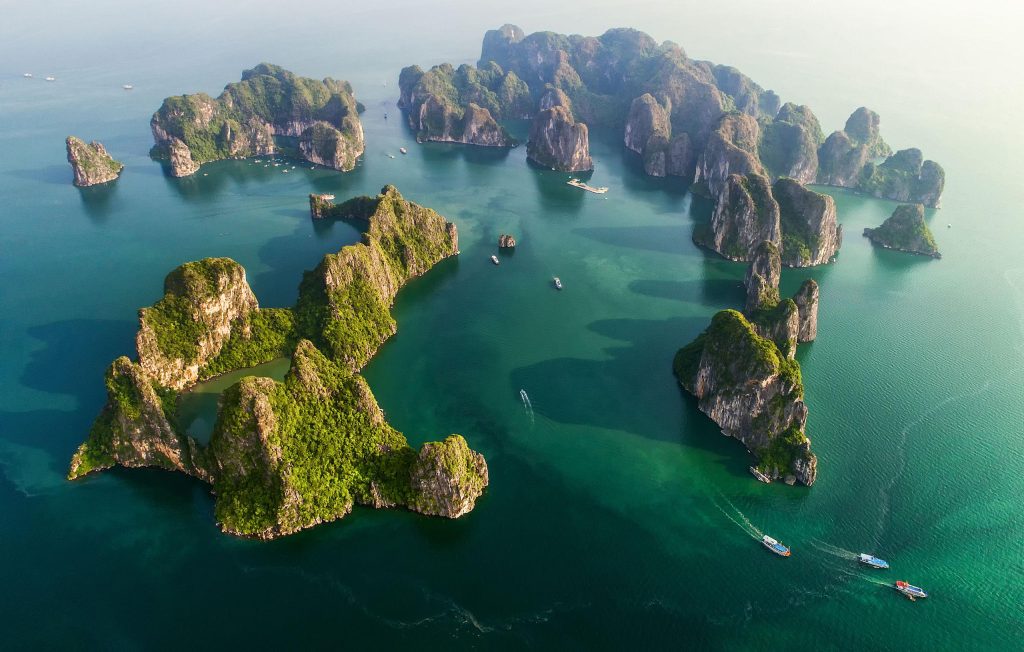
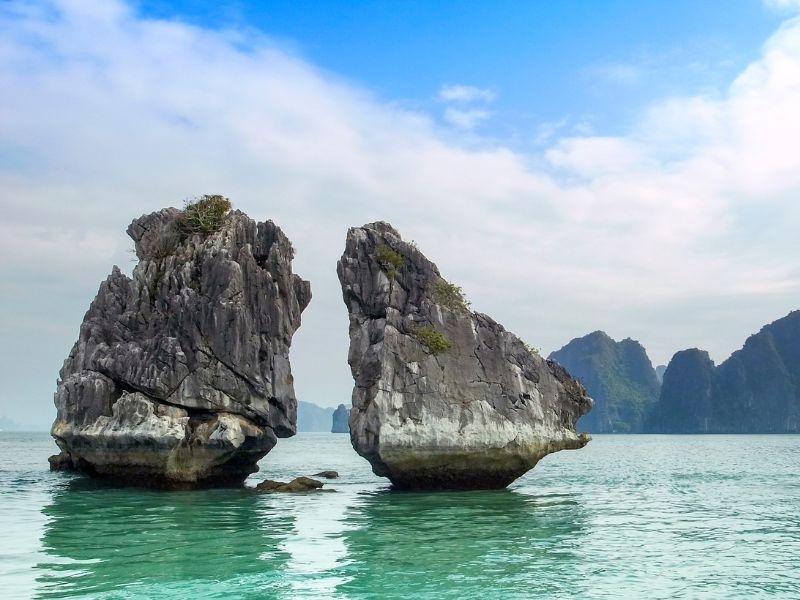
The defining feature of Ha Long Bay is its extraordinary collection of limestone islands and karsts, each uniquely shaped by nature over millions of years.
Among the most famous are:
- Fighting Cocks Islet (Hon Ga Choi)
- Incense Burner Islet (Hon Dinh Huong)
- Stone Dog Islet (Hon Cho Da)
- Finger Islet (Hon Ngon Tay)
These remarkable rock formations create one of the most recognizable seascapes in the world.
2. Magnificent Limestone Caves
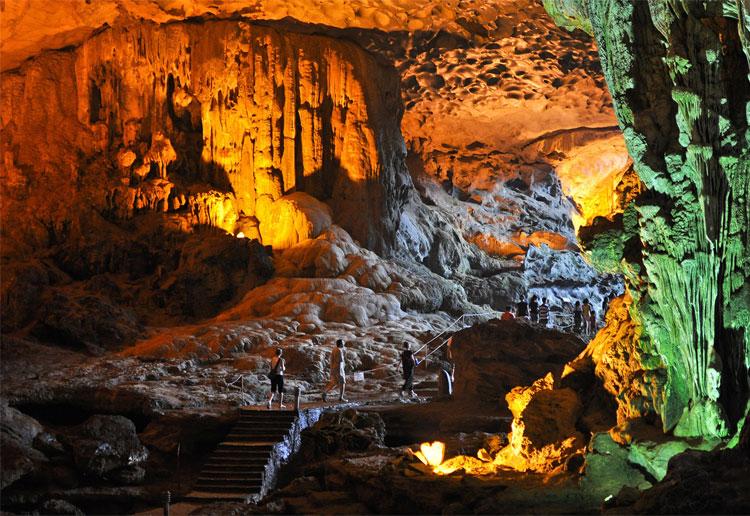
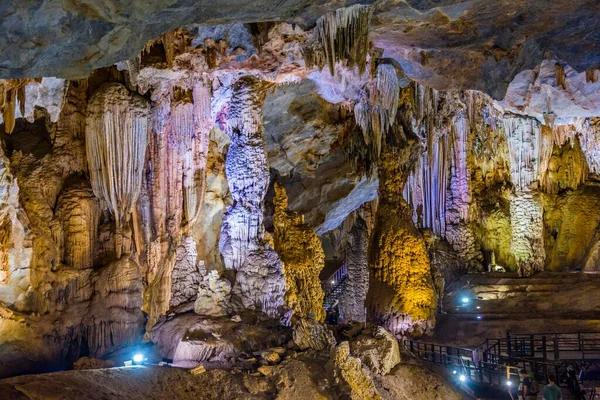
Ha Long Bay is home to hundreds of spectacular caves filled with impressive stalactites and stalagmites.
Some of the most popular caves include:
- Sung Sot Cave (Surprise Cave) – the largest and most famous cave in Ha Long Bay.
- Thien Cung Cave (Heavenly Palace Cave) – renowned for its magnificent rock formations and illuminated chambers.
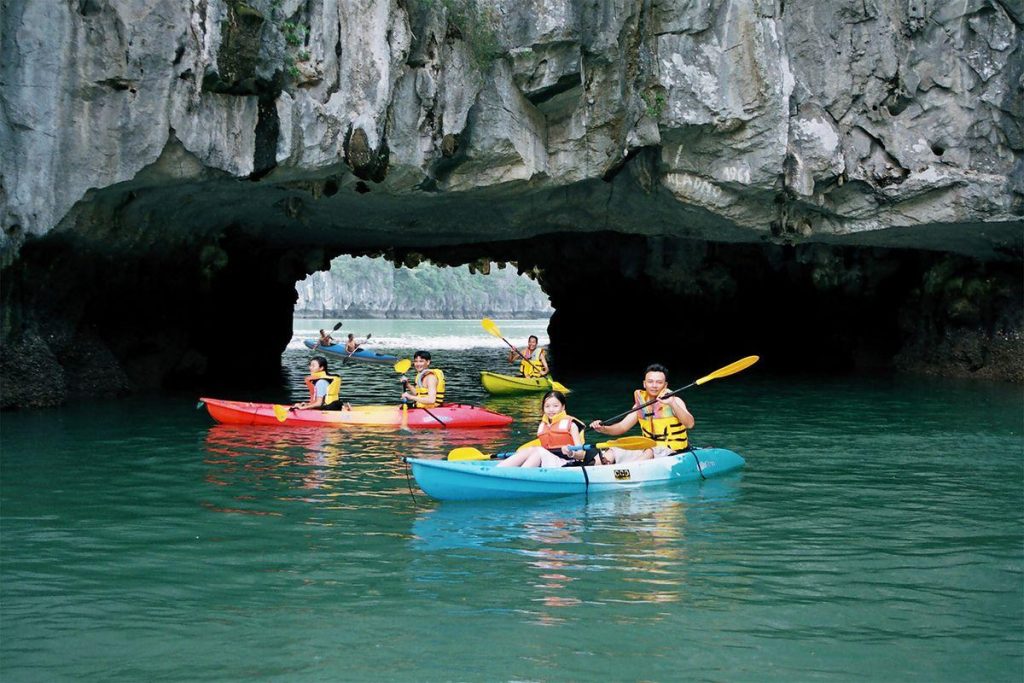
- Luon Cave – a peaceful water cave best explored by kayak or traditional bamboo boat.
Each cave offers visitors a unique opportunity to admire the incredible artistry of nature.
3. Luxury Overnight Cruises
An overnight cruise is considered one of the best ways to experience Ha Long Bay.
Guests can enjoy:
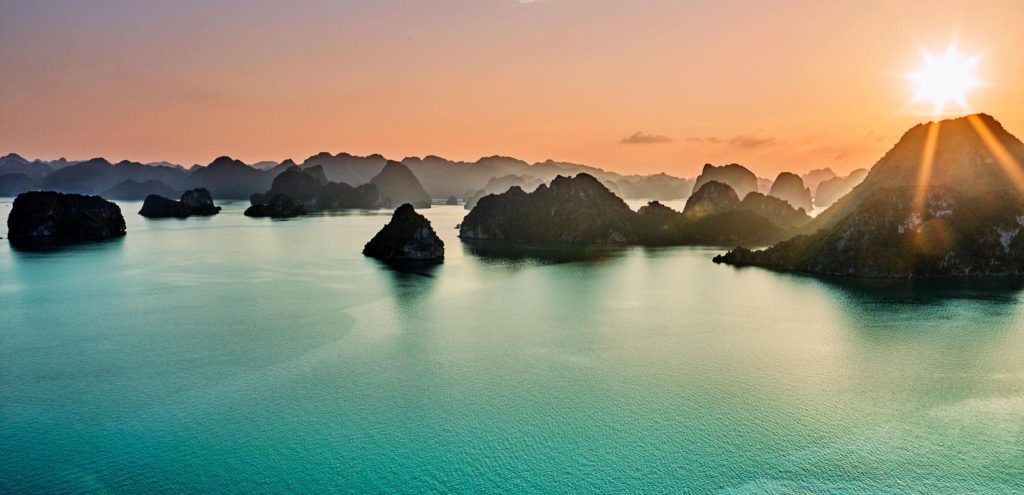
- Spectacular sunrise and sunset views
- Fine Vietnamese and international cuisine
- Fresh seafood dinners
- Vietnamese cooking classes
- Night squid fishing
- Morning Tai Chi sessions on the sundeck
- Relaxing amidst breathtaking natural scenery
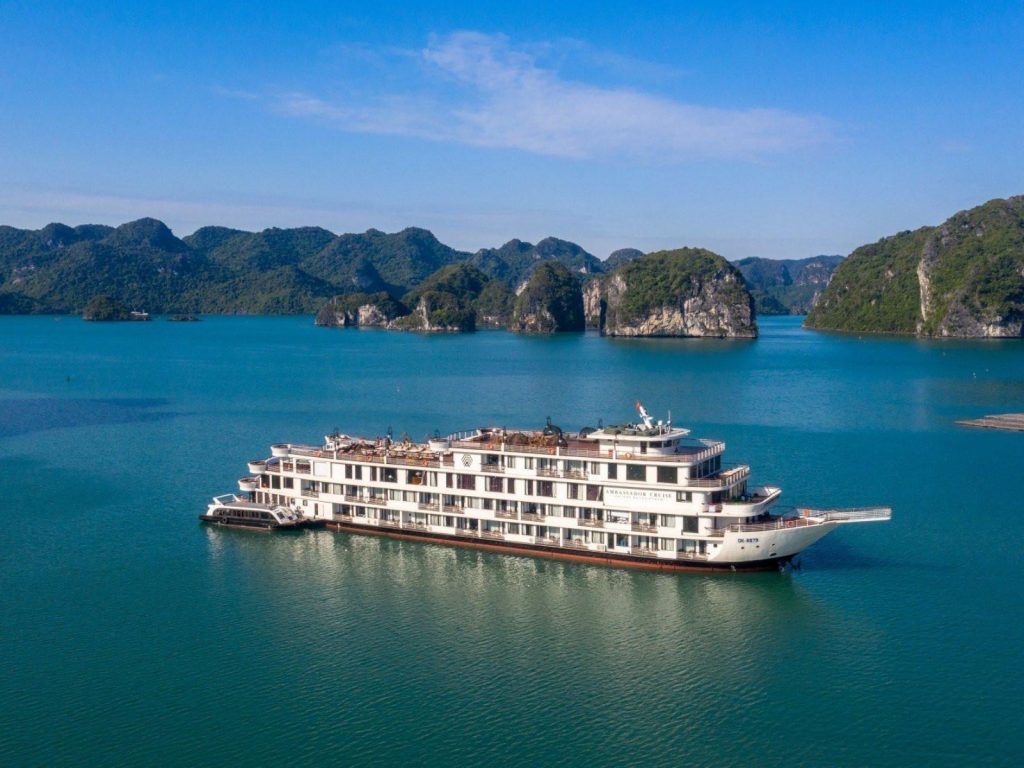
Luxury cruises range from boutique vessels to five-star floating resorts, offering exceptional comfort and service.
4. Beautiful Beaches and Islands
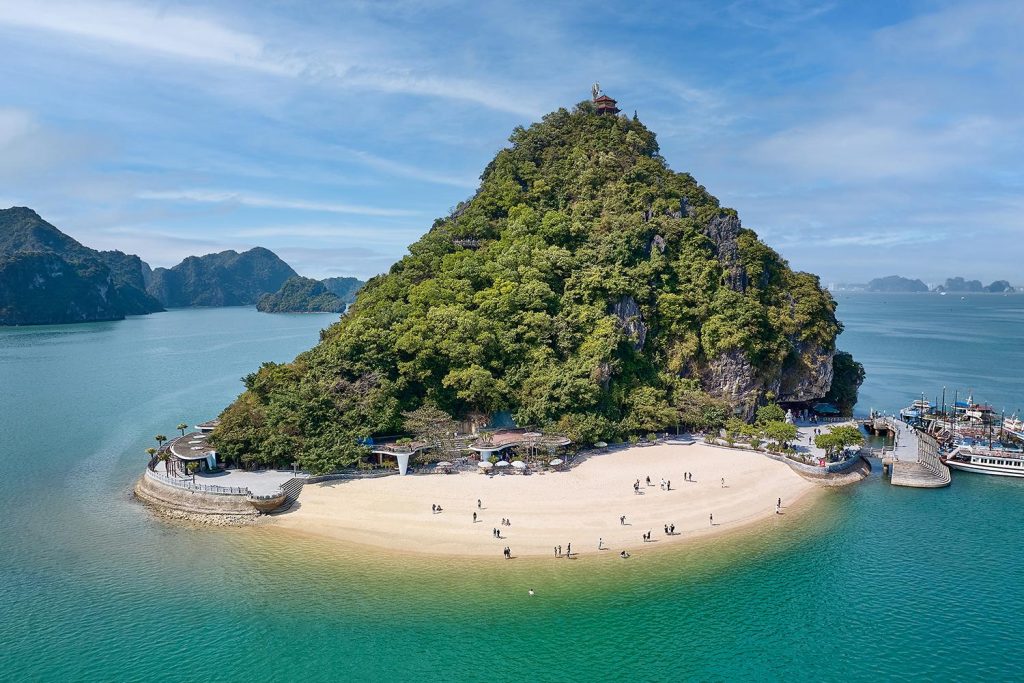
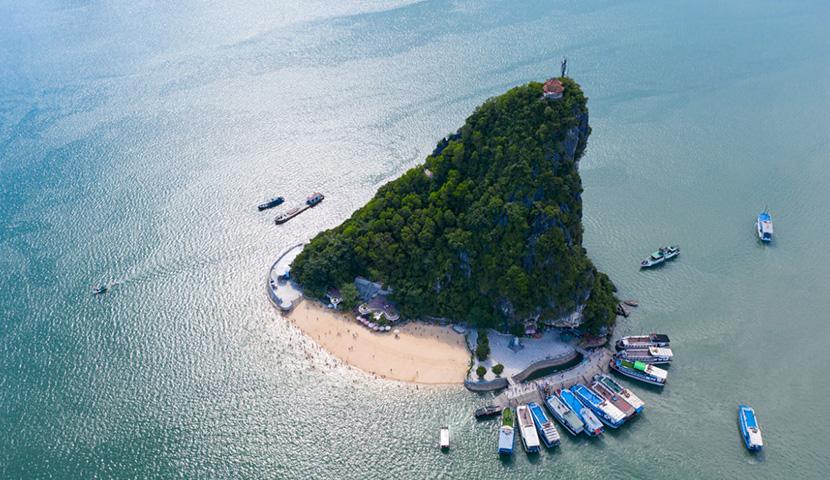
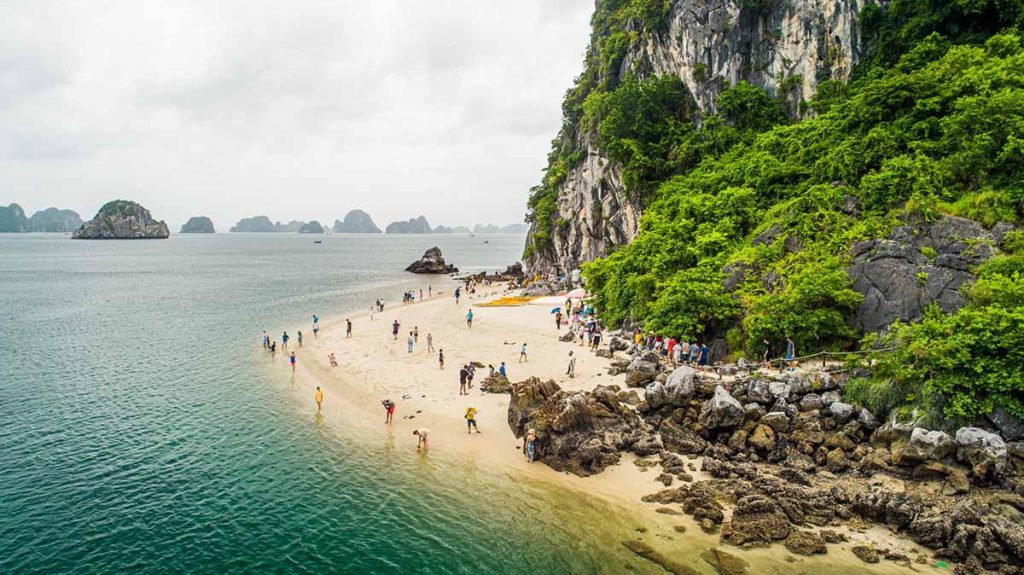
Besides its dramatic limestone formations, Ha Long Bay also features beautiful sandy beaches and scenic islands.
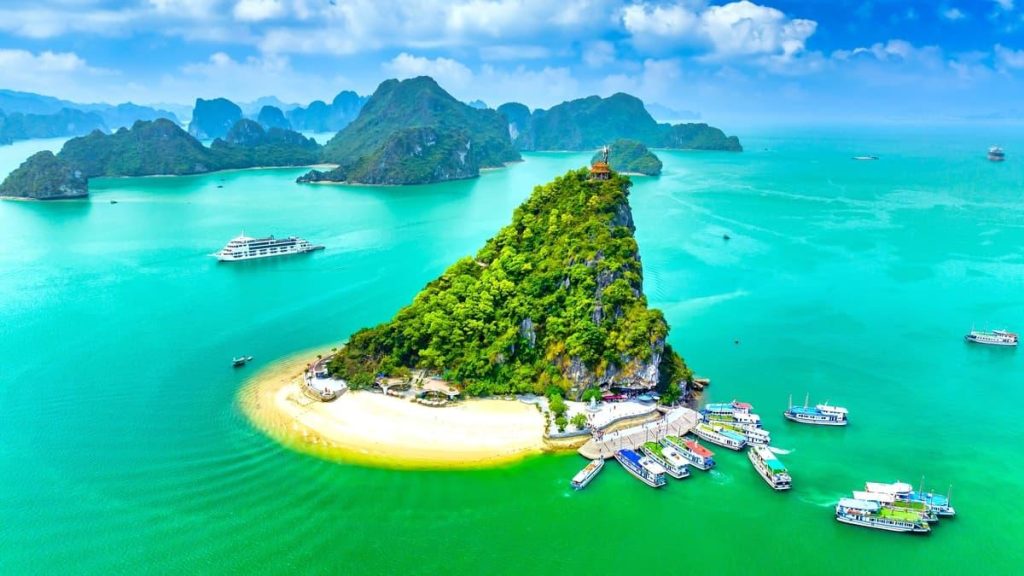
One of the most popular destinations is Titop Island, famous for its crystal-clear waters, white sandy beach, and panoramic viewpoint overlooking the entire bay. Visitors can swim, sunbathe, or hike to the summit for one of the most stunning views in northern Vietnam.
5. Kayaking Through Hidden Lagoons
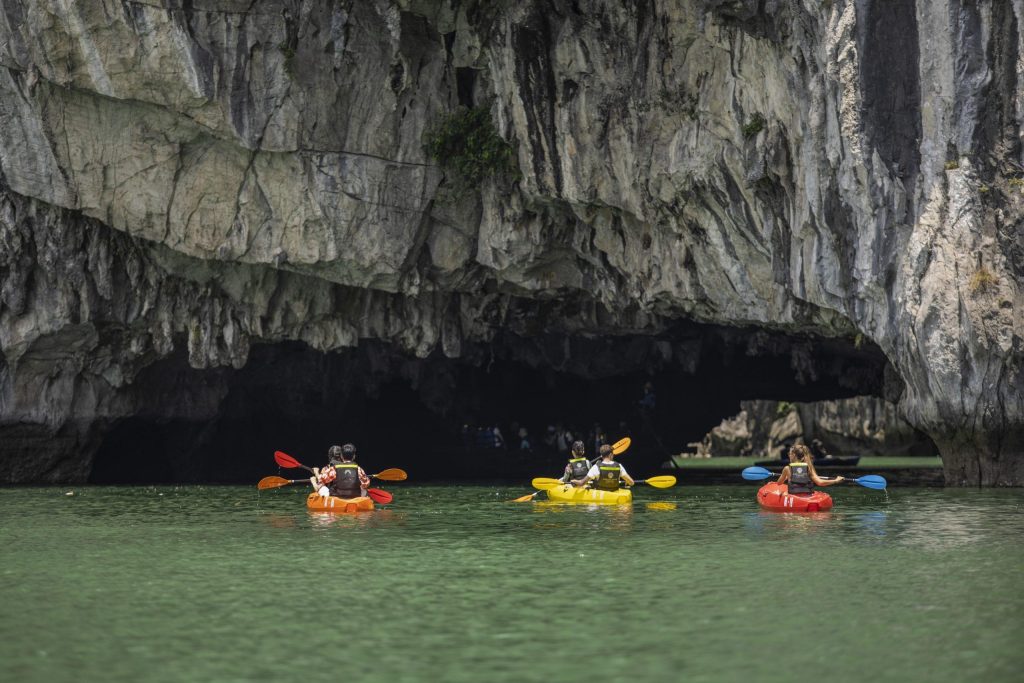
Kayaking is among the most popular activities in Ha Long Bay, especially for nature lovers.
Paddling through the calm waters allows visitors to:
- Explore hidden lagoons
- Pass beneath natural limestone arches
- Discover secluded beaches
- Observe the bay’s rich marine ecosystem from a unique perspective
It is one of the most immersive ways to appreciate the tranquility and beauty of the bay.
Top Experiences Not to Mis
When visiting Ha Long Bay, be sure to include these unforgettable experiences:
- Cruise through the UNESCO World Heritage landscape.
- Explore Sung Sot Cave and Thien Cung Cave.
- Kayak around limestone islands and hidden lagoons.
- Swim and hike on Titop Island.
- Try night squid fishing on board.
- Taste local seafood specialties such as grilled squid, mantis shrimp, oysters, crabs, and the famous Ha Long squid cakes.
Best Time to Visit
Ha Long Bay is a year-round destination, but the best months to visit are:
- March to May: Pleasant temperatures, sunny skies, and calm seas.
- September to November: Cool weather, less rainfall, and ideal sightseeing conditions.
- June to August: Perfect for beach activities, although occasional tropical storms may occur.
Why Visit Ha Long Bay?
Ha Long Bay is much more than a beautiful destination—it is a masterpiece of nature where geology, history, culture, and adventure come together. Whether you’re cruising through emerald waters, exploring magnificent caves, kayaking beneath towering limestone cliffs, or simply relaxing while taking in the breathtaking scenery, every moment in Ha Long Bay promises an unforgettable experience.
Its extraordinary beauty, rich heritage, and world-class tourism services make Ha Long Bay one of Vietnam’s must-visit destinations and an essential stop on any journey through Southeast Asia.